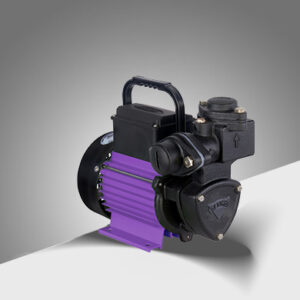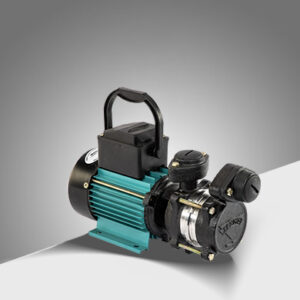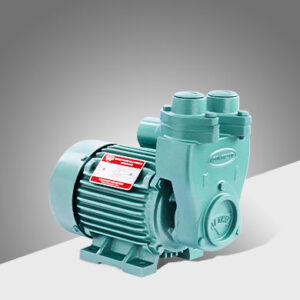
Taro Pumps & Motors




Account Details:
Name – BUSINESS NAME
A/C No. – 1085690660
BANK – STATE BANK OF INDIA
IFSC – SBIN0014798
Branch – SME, Erode
GSTIN : 29AABCY8798F1ZI
UPI ID: devayanidigitech@okhdfcbank

Our Products :-
➣ Submersible Pumps
➣ Open Well Pumps
➣ Monoblock Pumps
➣ Jet Pumps
➣ Sewage Pumps
➣ Motors
➣ Pressure Booster Pumps
➣ Smart Panel
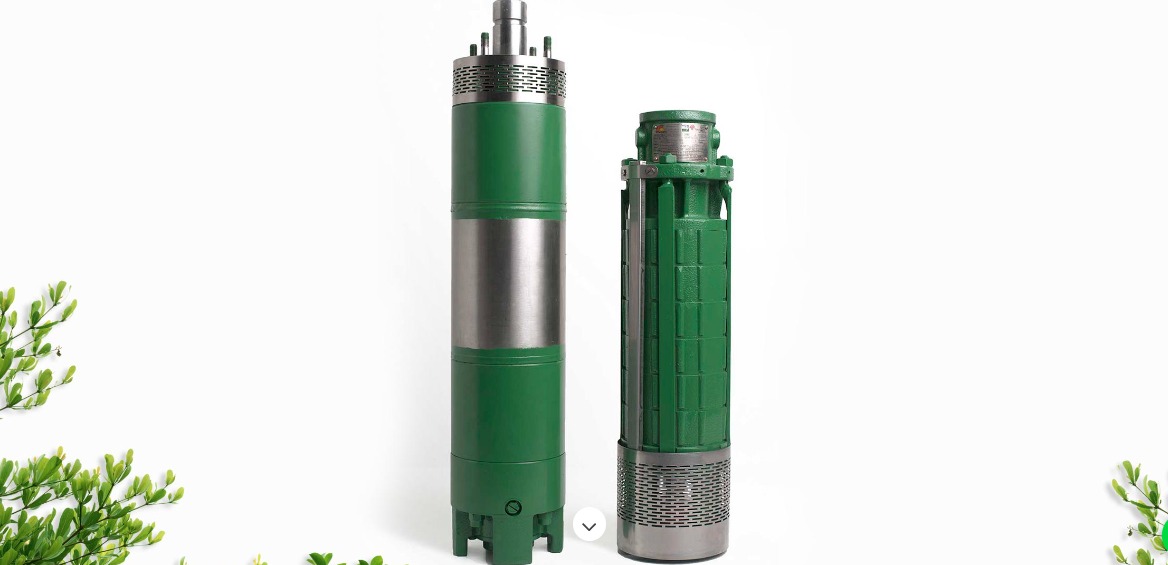
Submersible Pumps
Models
➣3″ Submersible Pumps
4″ Submersible Pumps →
5″ Submersible Pumps
6″ Submersible Pumps
7″ Submersible Pumps
8″ Submersible Pumps
Overview
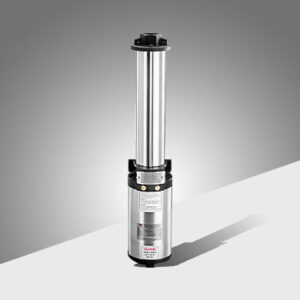
Taro Borewell Submersible Pumps are used for agricultural and domestic water pumping needs across the India. They are called Submersible Pumps because they are installed in boreholes / bore wells, submerged in water.
Taro Pumps’ products are renowned for their power efficiency and durability, made from cast iron components and feature CED coatings. Driven by a hermetically sealed motor, they pump water to the surface through the installed pipe work.
How does a submersible pump work?
Borewell Submersible pumps are designed for bore wells, where the pump is fully submerged in water. These pumps work by pushing the water up to the surface or above the ground, to the point of use, through a series of stages (a stage includes an impeller and a diffuser). The pump is coupled to a prime mover, generally an electric motor.
As the prime mover starts and the shaft rotates, a suction pressure is created at the eye of the impeller that allows water to pass through the impeller vanes. The water gains kinetic energy as it passes through these vanes, and exits the impeller to the diffuser above it. The diffuser, a stationary part, then converts the kinetic energy of water to pressure (head). The water moves similarly through a series of stages depending on the total dynamic head required for the application. Check our Submersible Pump FAQs which provide more detailed information on how they work.
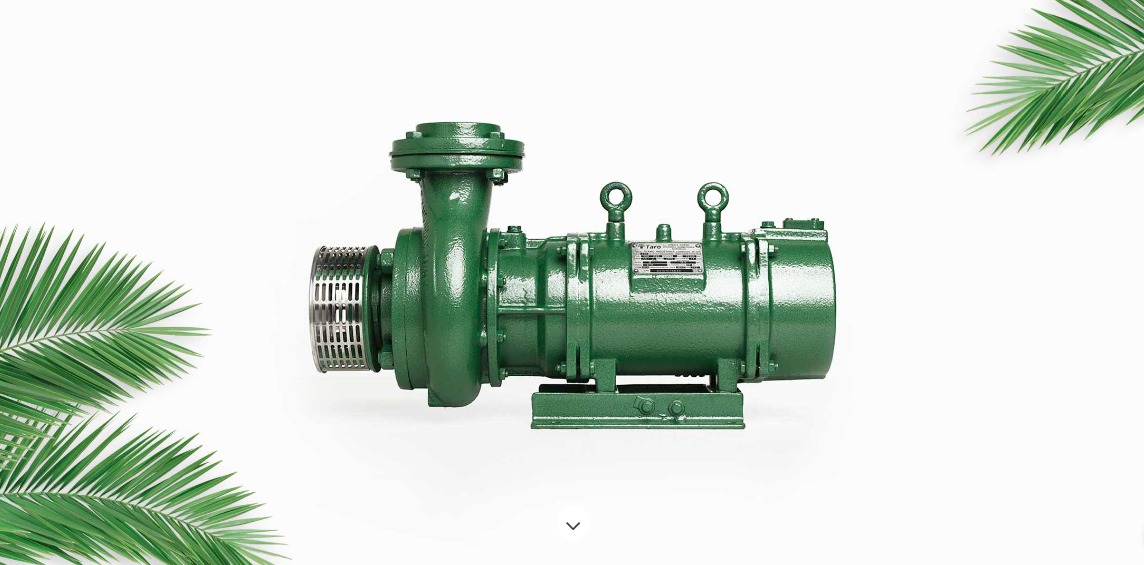
Open Well Pumps
Overview
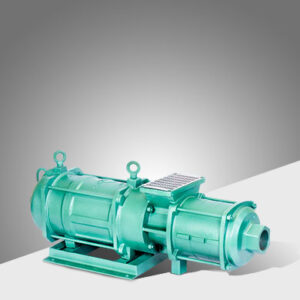
Open well submersible pumps are used when the applications will face a frequent change in water levels. It can be dropped and fitted to the bottom of an open well or sump pump, which gives it an advantage over traditional centrifugal pumps. Open well pumps from Taro come with excellent service life and also have coatings on their internal elements to prevent rusting. These items are usually cast iron, providing excellent durability.
How does an open well pump work?
Open well submersible pumps are designed for open well applications, where the pump is fully submerged in water. These pumps can either be a single stage pump with an impeller and a volute casing, or a multistage pump similar to borewell submersible pumps. A prime mover, generally an electric motor, is used to drive these pumps.
The open well pump with a volute casing works similar to the monoblock centrifugal pump, however it is not limited by suction lift as it is submerged in water. The multistage openwell submersible pump, works similar to the borewell submersible pump, wherein the water passes through a series of stages (a stage comprises an impeller and diffuser). The diffuser does the function of the volute as the water moves to the next stage. Check our Open Well Pump FAQs which provide more detailed information on how they work.
Taro Open Well pumps
Taro Pumps’ product have a power range from 3hp through to 20hp. For more help buying an open well pump, please see our Open Well Pump Buyers Guide.
For further how open well pumps compare against other types of pumps see our Open Well Pumps Comparisons page.
For more information on why Taro Pumps sets the benchmark in the industry, visit our 5 Ticks page. Some common applications of where open well pumps are used:
⦿ Agricultural Irrigation
⦿ Domestic and community water supplies
⦿ Industrial water supply
⦿ Cooling water circulating systems
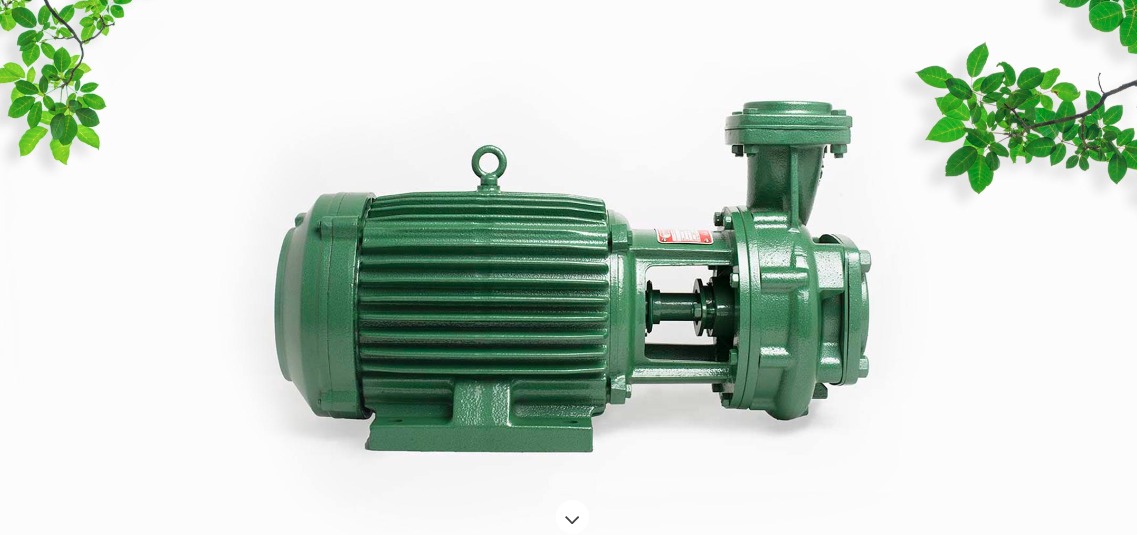
Monoblock Pumps
Models
⦿ Monoblock
⦿ Mini Monoblock
⦿ Self-Priming Monoblock
Overview
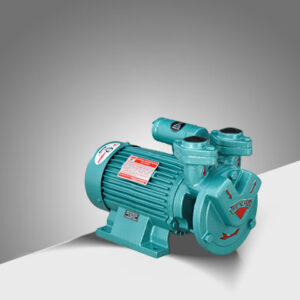
Centrifugal Monoblock Pumps are a popular type of water pumps used in India. They gain their name due to the fact that they work through a centrifugal force from its centrifugal electric motor. They are installed on a dry surface protected from rainfall and operate and pump water from the source to the intended storage/usage through an electrical motor and pump connected vide a single shaft (monoblock).
How does a monoblock pump work?
Monoblock are surface pumps and the water is pulled through the suction pipe to the eye of the impeller. The water enters through the impeller eye, gains kinetic energy, and gets pushed out to the volute by centrifugal force. The volute, a stationary chamber with a gradually increasing area, converts the kinetic energy of water to pressure (head), as the water is delivered to the point of use. These pumps can either work in negative suction (where the pump is above the water level) or in positive suction (where the pump is below the water level but not submerged, e.g. overhead tank)
Monoblock pump applications are limited by suction lift while working in negative suction. Considering the friction losses in the pipeline, the suction lift is limited to 6 m. The suction lift, a negative pressure at the suction side, is the pressure gradient between the hydraulic centre of the pump and the level of water surface in the well or tank. Check our Monoblock Pump FAQs which provide more detailed information on how they work.
Taro Monoblock pumps
Taro Pumps’ product have a power range from 3hp through to 20hp. For more help buying an open well pump, please see our Monoblock Pump Buyers Guide.
For more information on why Taro Pumps sets the benchmark in the industry, visit our 5 Ticks page.
Some common applications of where monoblock pumps are used:
⦿ Cooling water circulation systems
⦿ Domestic water supplies
⦿ Irrigation
⦿ Cattle farming
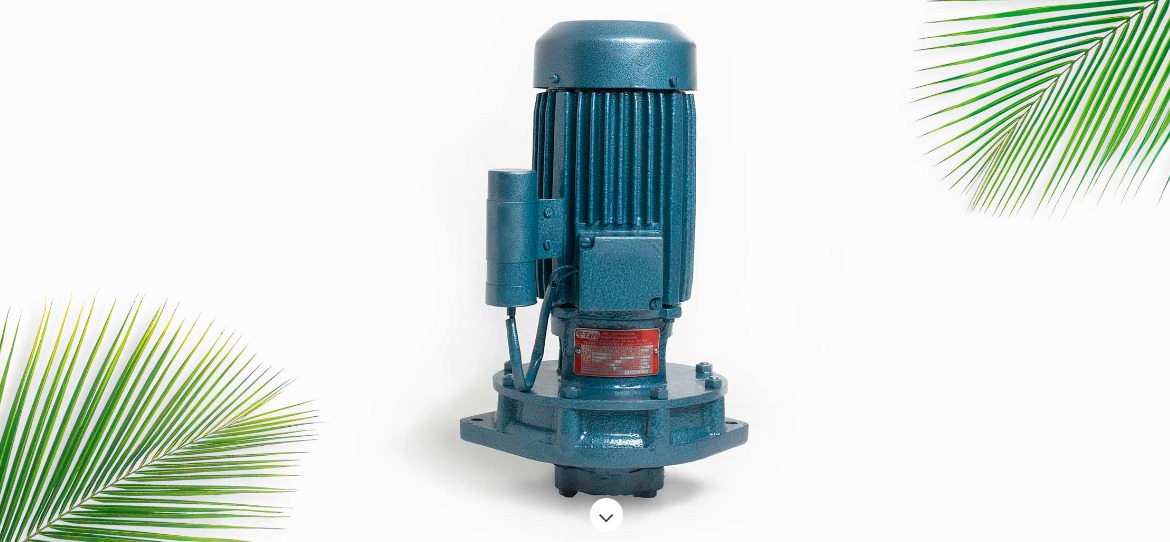
Jet Pumps
Models
⦿ Jet Pump Types
Overview
There are four main types of jet pumps; deep well, shallow well, multistage and mini. They do not require coupling as they are known for being relatively easy to install.
Jet pumps work by creating a force via jet stream to the water source, blasting it to the surface. For more information regarding these, please read our jet pumps buyers guide.
Primary Uses
The main applications and areas where a jet pump is best used are for a jet pump are:
⦿ Individual homes
⦿ Residential communities
⦿ Factories
⦿ Multi story buildings
Sewage Pumps
Models
Sewage Pumps
Overview
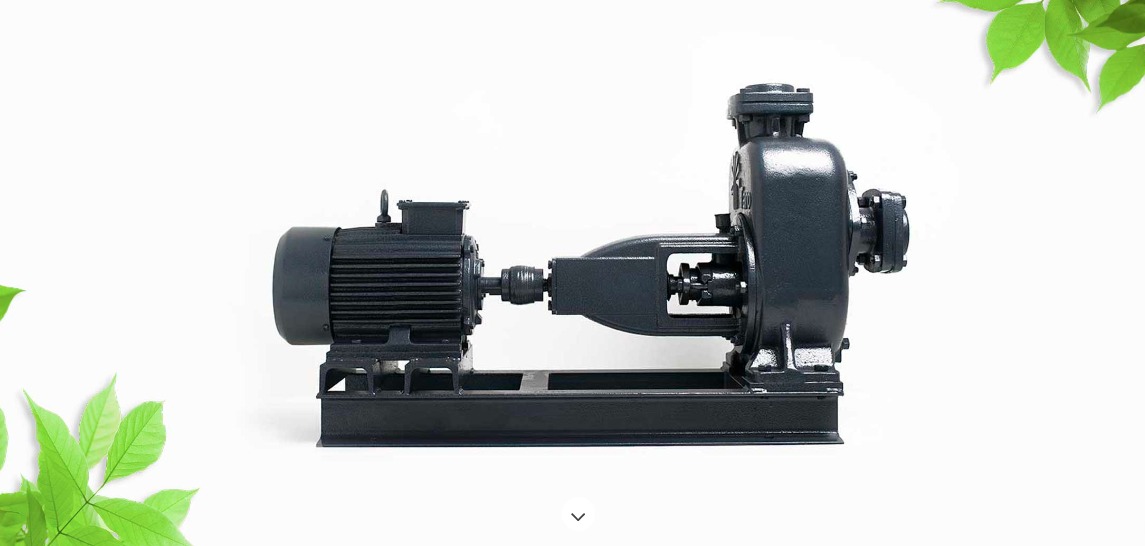
Sewage pumps are commonly used in India to remove sewage and effluents from a variety of places. Their name comes from the fact they pump waste water or water containing suspended solids. Sewage pumps come in two types; dry surface pumps and submersible pumps.
The Taro Pumps range are Submersible dewatering pumps, non clog sewage pumps and Submersible cutter pumps. For more information about Taro sewage pumps and their uses, see our sewage pump buyers guide.
Primary Uses
Sewage Pumps are used for pumping sewage and waste from:
⦿ Bungalows & Apartments
⦿ Public and Industrial Buildings
⦿ Schools, Collages, Restaurants and Hotels
Additionally, sewage pumps can be used for dewatering of trenches and pits, pumping water from docks, ports and vessels in marine applications.
Electric Induction Motors
Models
Electric Induction Motors
Overview
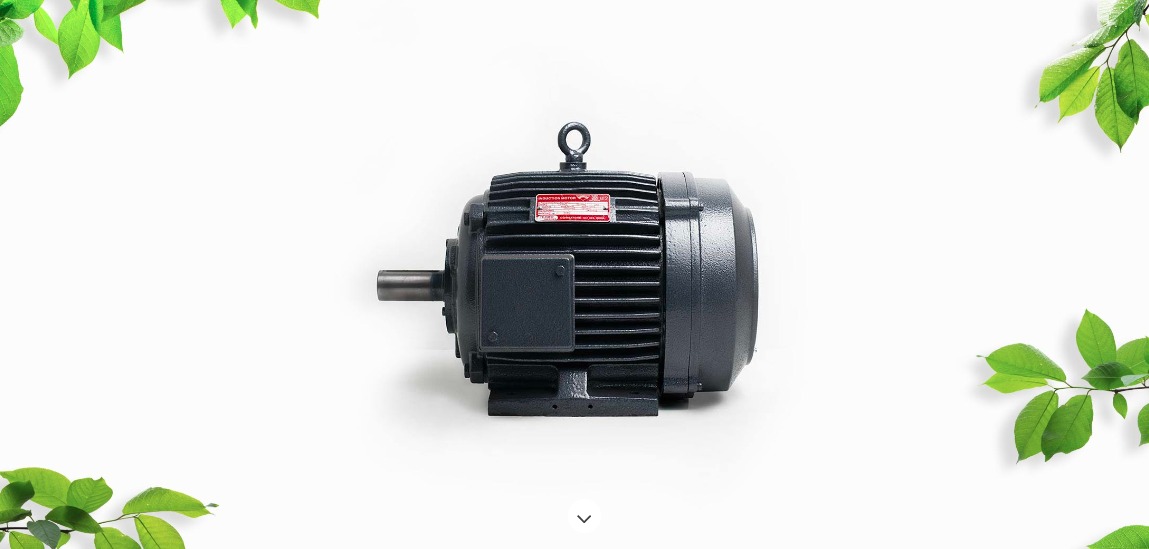
Texmo Industries manufactures electric motors ranging from ½ hp to 25 hp (0.37 kw to 18.5 kw) for both single-phase and 3-phase power supply. They come in different frame sizes ranging from 80 mm up to 180 mm with output ratings as specified in IS 1231: 1974. They are manufactured to International Efficiency Norms IE2 and Indian Standards IS 12615: 2011. Of prime importance is the motor winding which conforms to class F and a temperature rise limited to 130 degrees Celsius. The motor can rotate in either direction. Each motor goes through stringent quality checks and 100% of the motors are tested per IS: 325/1996 and IS: 7538/1996. All have the protection requirements of IP44/IP55 as per IS: 4691/1985. All of the pumps from Taro contain these high quality motors.
Primary Uses
⦿ Domestic use (for Wheat, Gram, daals, baajra grinding machines)
⦿ Agriculture and Farming machines
⦿ Wood cutting machines
⦿ Textile machines
Pressure Booster Pumps
Models
Pressure Booster Pumps
Overview
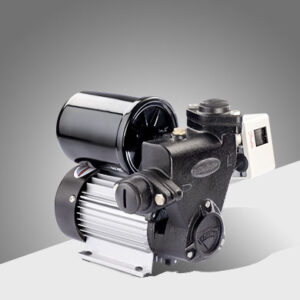
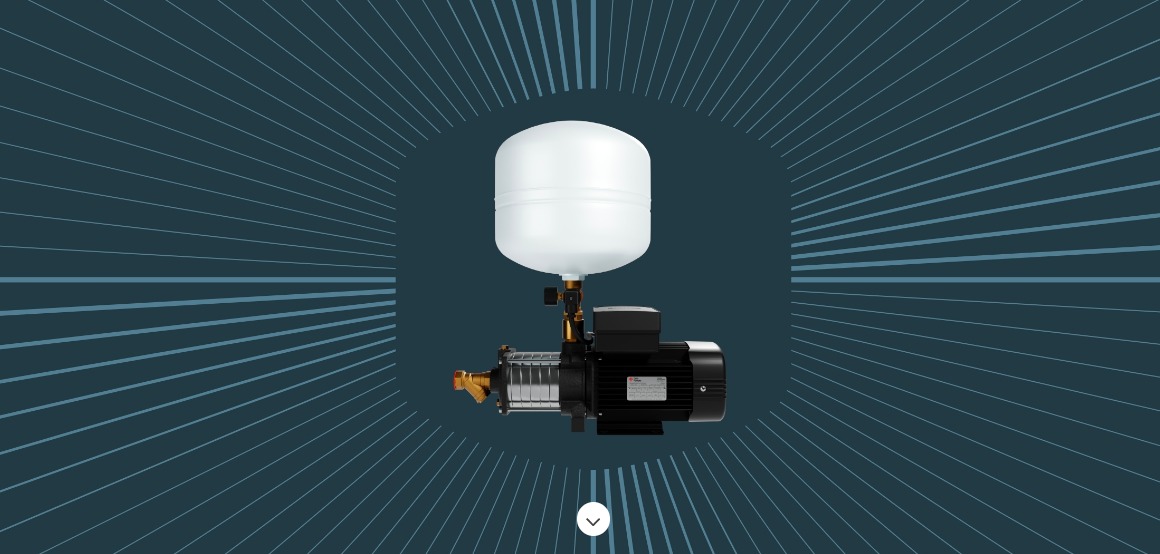
Pressure booster pumps are essential for ensuring consistent water pressure in residential, commercial, and industrial spaces. These pumps are specifically designed to increase the pressure of the water flowing through the pipes, providing a reliable solution for low water pressure issues. They are compact, efficient, and easy to install, making them a popular choice for enhancing water flow in various applications.
How does a pressure booster pump work?
A pressure booster pump operates by using an electric motor to drive an impeller that increases water pressure. These pumps typically come with pressure control systems (Mechanical/Electronic) and a pressure tank to maintain consistent water pressure. When the pressure control system detects a drop in water pressure, it activates the motor. Water is drawn into the pump, passed through the impeller, and pushed out at a higher pressure. The pressurised water is then directed through the outlet to the desired locations, ensuring consistent and strong water flow. Check our Pressure Booster Pump FAQs which provide more information on how they work.
Taro Pumps pressure booster pumps
Taro Pumps’ Premium pressure booster pumps have a power rating range from 1hp through to 2hp. For more help buying a pressure booster pump, please see our Pressure Booster Pump Buyers Guide.
For more information on why Taro Pumps sets the benchmark in the industry, visit our 5 Ticks page.
⦿ Individual houses
⦿ Low-rise buildings
⦿ Bungalows
⦿ Hotels & Resorts
⦿ Industrial facilities
Smart Panel
Models
Smart Panel
Overview
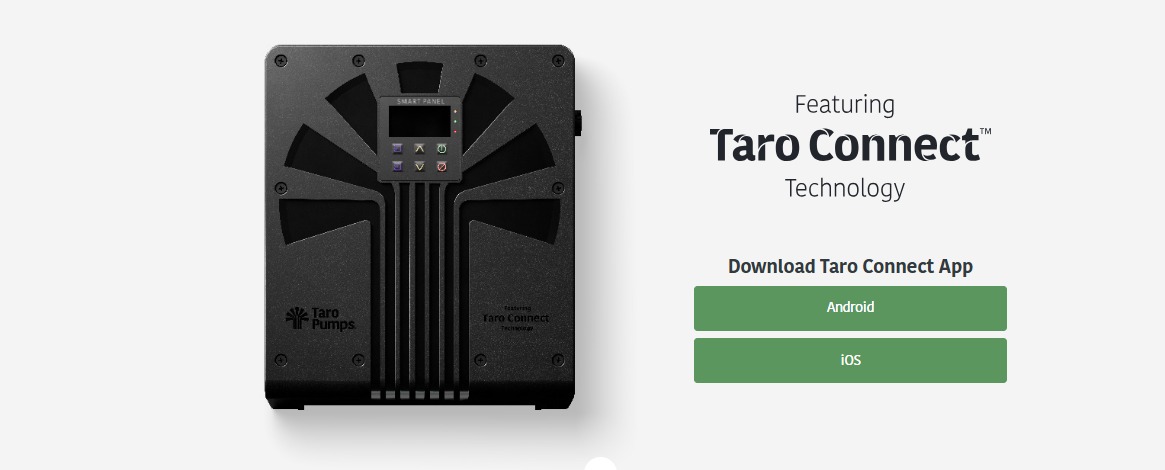
Taro Smart Panels are designed to simplify pump control and enhance motor protection across a wide range of applications including domestic, agricultural, and industrial use. These panels are compatible with various pump types such as submersible borewell pumps, openwell pumps, and monoblocks, offering a reliable solution to challenges like manual operation, voltage fluctuations, and unexpected pump failure.
With built-in safety features and user friendly controls, the panels ensure pumps run efficiently and remain protected under varying field conditions. The panel also supports remote monitoring through the Taro Connect app and SMS, offering users the convenience to manage pump activity anytime, from anywhere.
How does Taro Smart Panel work?
Taro Smart Panel is designed to simplify pump operation and protect it from electrical and system-related faults. Once powered on, the panel connects directly to the pump and power supply. Using internal relays and real-time inputs such as voltage, current, and sensor signals, it intelligently controls pump operation.
Users can choose from multiple operating modes including Manual, Auto, Timer, and Schedule, allowing them to manage pump runtime based on specific water usage patterns or time preferences. With GSM and Wi-Fi connectivity, the panel can also be accessed remotely through the Taro Connect app or SMS, enabling real-time monitoring and control from anywhere.
The panel continuously tracks key parameters such as voltage levels, phase sequence, motor current, water flow, and tank levels. The Smart Panel automatically switches off the pump to prevent damage when it detects abnormal conditions like dry run, overload, voltage fluctuation, or incorrect phase. This smart control system ensures reliable, safe, and efficient pump performance across various applications.
Taro Pumps Smart Panel:
Taro Pumps, Smart Panels support pump power ratings from 1 HP to 7.5 HP. For more help buying a Smart Panel, please see our Smart Panel Buyers Guide.
For more information on how Taro Pumps sets the benchmark in the industry, visit our 5 Ticks page.
Suitable for:
⦿ Borewell and openwell pumps
⦿ Monoblock pumps
⦿ Individual home applications
⦿ Agriculture applications
⦿ Commercial Building applications