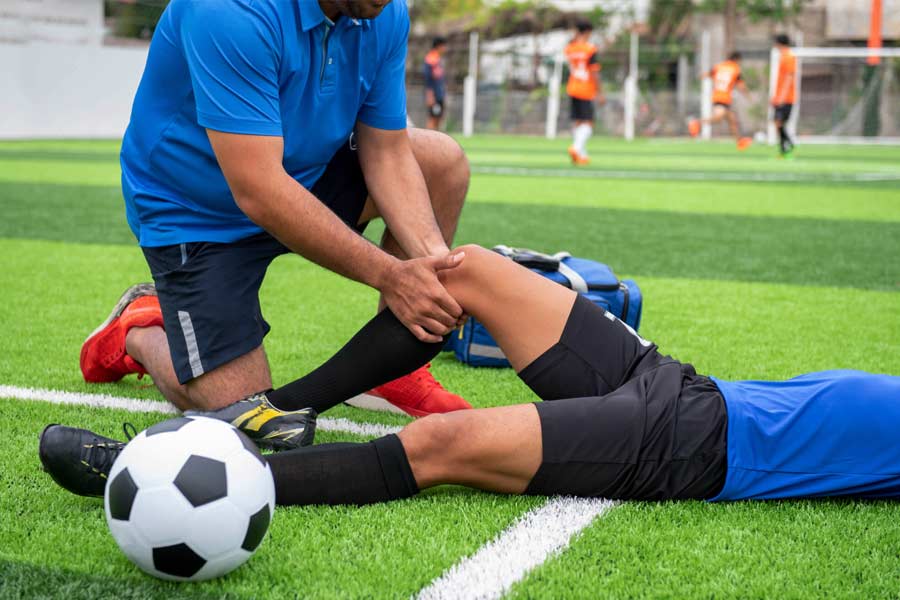
A sports medicine consultation involves a medical history, physical examination to assess an injury, and potential diagnostic tests like X-rays. Sports medicine specialists diagnose and treat sports- and exercise-related injuries, from sprains and fractures to chronic overuse conditions, to help individuals return to activity and optimize performance. Treatment plans may include physical therapy, medication, bracing, or, in more serious cases, surgery.
Sports Physiotherapy
Sports physiotherapy is a specialized field of physical therapy focused on the prevention, diagnosis, and treatment of injuries related to sports and exercise for athletes of all levels. It involves creating personalized exercise plans and using hands-on techniques to help individuals recover from injuries, improve performance, and prevent future issues.
Sports Nutrition
Sports nutrition is the study and application of nutrition to enhance athletic performance, focusing on diet, hydration, and supplements to fuel workouts, aid recovery, and prevent injury. It is tailored to individual athletes based on their sport, training intensity, and goals, and it emphasizes specific nutrient timing, such as consuming carbohydrates before, during, and after exercise.
Sports Injury Rehabilitation
Sports injury rehabilitation is a phased process of physical therapy and exercises designed to restore the body’s form and function after an injury, helping athletes return to their sport safely and minimizing the risk of re-injury. It includes phases like rest, strengthening, and functional training, utilizing techniques such as physical therapy, massage, and heat/cold therapy. A multidisciplinary team of professionals, led by a physician, often guides the process to create a customized plan.
Sports Psychology
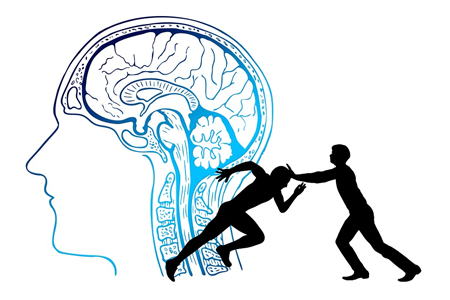
Sports psychology is the study of how psychological factors influence participation in sports, exercise, and physical activity, and conversely, how sports participation affects mental and physical well-being. It uses psychological knowledge to help athletes improve performance through techniques like goal-setting, visualization, and managing anxiety. The field also supports athletes’ mental health and helps them cope with issues like injury, pressure, and burnout.