SALEEM GLASS EMPORIUM
MOHAMMED RAFI


OUR SERVICES
➢ PHOTO FRAMING
➢ PHOTO LAMINATION
➢ MIRRORS FRAMING
➢ GOD FRAMES
➢ NORMAL PHOTO FRAMES
➢ ALL KIND OF FRAMES ARE AVAILABLE HERE
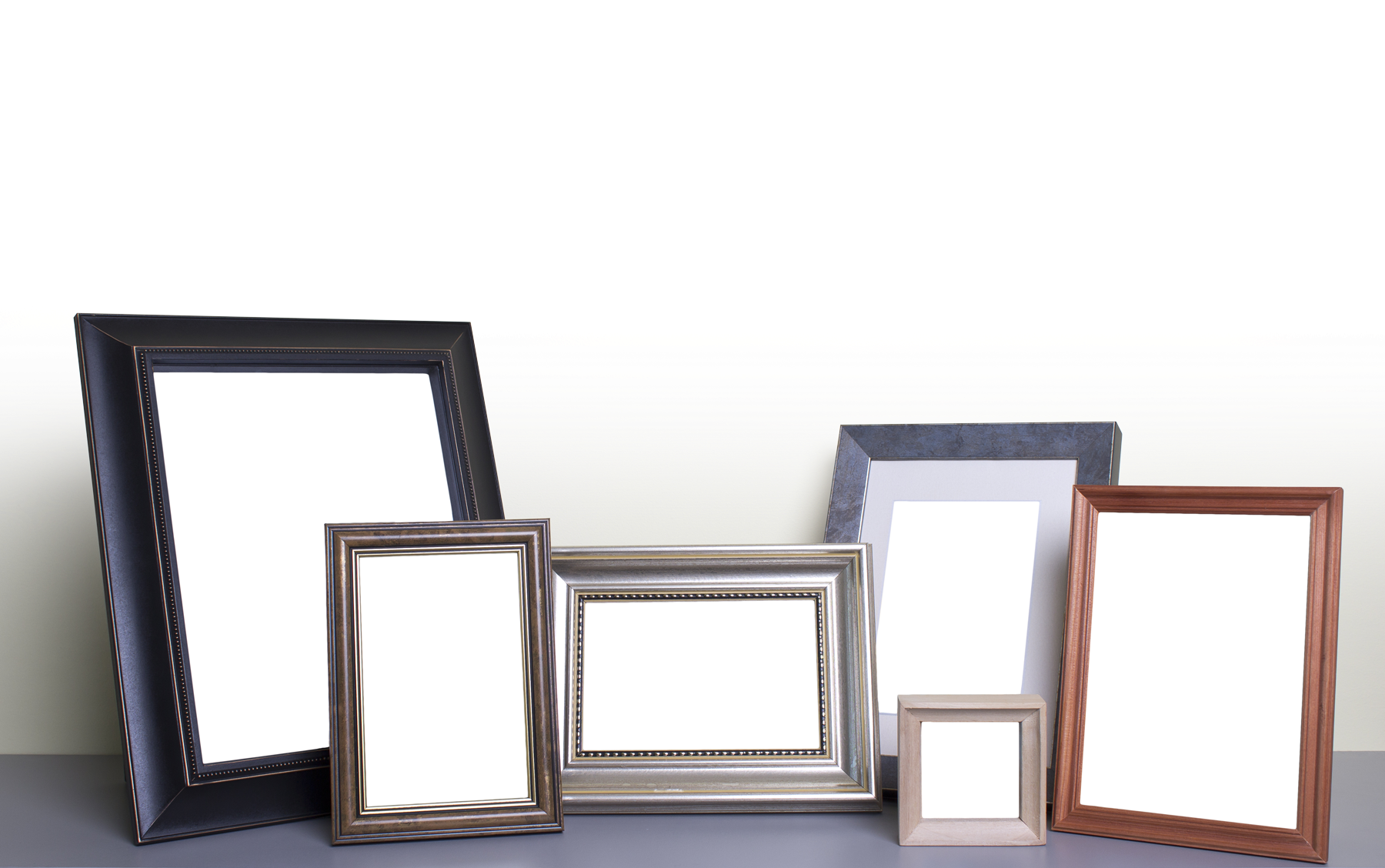
PHOTO FRAMING
Photo framing refers to the technique of surrounding a photograph—either physically, digitally, or compositionally—to enhance its visual appeal, draw attention to the subject, and create a sense of depth and context. It can be achieved through the use of actual frames, digital borders, or by composing elements within the photo itself to naturally “frame” the subject.
1. Digital Photo Framing
This involves adding decorative or functional borders around a digital image.
Purpose: Enhances aesthetics, emphasizes the image, and can match the photo’s theme or mood.
Methods: Software tools like Photoshop, Canva, PicsArt, or Snapseed.
Styles:
Simple colored borders
Ornate or thematic designs
3D or shadowed frames
Custom shapes or patterns
Example: A family portrait with a subtle white border or a floral digital frame for a wedding photo.
2. Framing in Photography (Composition)
In photography, framing is a compositional technique that uses elements in the scene to enclose or highlight the main subject.
Purpose: Directs viewer focus, adds depth, creates context, and makes the composition visually appealing.
Techniques:
Natural frames: Trees, branches, or leaves around the subject
Architectural frames: Doorways, windows, arches
Foreground framing: Objects in the foreground leading the eye to the subject
Light/shadow framing: Using lighting to outline the subject
Benefits: Enhances storytelling, emphasizes the main subject, and gives a three-dimensional feel to a two-dimensional image.
Example: A person standing in a doorway framed by the arch, or a landscape shot framed by tree branches.
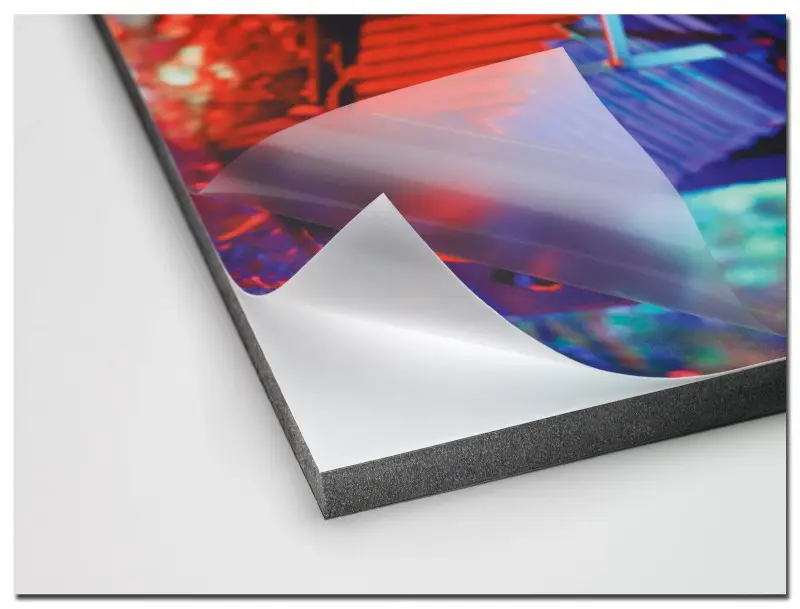
PHOTO LAMINATION
Photo lamination is the process of covering a photograph with a thin layer of protective plastic film to preserve it from damage, enhance its durability, and improve its appearance. Lamination protects the photo from moisture, dust, fingerprints, fading, and tearing, making it last longer.
Types of Photo Lamination
Glossy Lamination:
Shiny, reflective finish.
Makes colors vibrant and sharp.
Best for photos with bright, vivid colors.
Matte Lamination:
Non-reflective, smooth finish.
Reduces glare.
Gives a soft, elegant look, ideal for portraits.
Thermal Lamination:
Uses heat to seal the plastic film onto the photo.
Creates a strong, durable bond.
Cold Lamination:
Uses pressure-sensitive adhesive instead of heat.
Suitable for heat-sensitive photos or documents.
Advantages of Photo Lamination
Protects against dust, moisture, and fingerprints.
Prevents fading from sunlight or chemical exposure.
Increases durability and longevity of the photo.
Gives a professional, polished look.
Makes photos easy to clean or wipe.
Uses of Photo Lamination
School or office ID cards
Certificates and diplomas
Personal photographs for framing or gifting
Posters, flyers, and menus
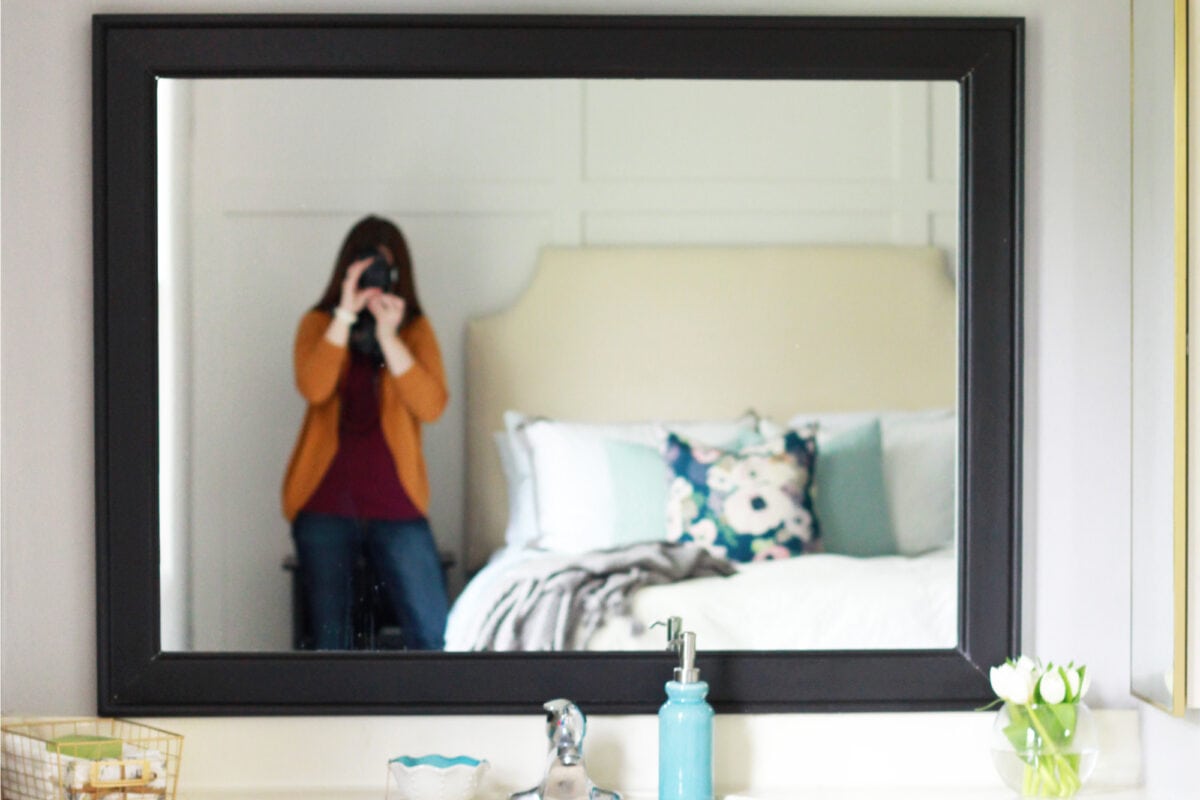
MIRRORS FRAMING
Mirror framing is the process of surrounding a mirror with a decorative or protective border called a frame. Frames enhance the visual appeal of the mirror, complement interior décor, and can also provide structural support to the mirror.
Types of Mirror Frames
Wooden Frames
Traditional and versatile.
Can be carved, painted, or stained.
Adds warmth and elegance to interiors.
Metal Frames
Materials: aluminum, brass, stainless steel, wrought iron.
Modern, sleek, or ornate designs.
Durable and resistant to moisture.
Plastic or Acrylic Frames
Lightweight and affordable.
Available in various colors and styles.
Easy to maintain.
Frameless Mirrors with Edge Treatments
No physical frame; edges can be beveled, polished, or sandblasted.
Minimalist and contemporary look.
Styles of Mirror Frames
Classic/Traditional: Intricate carvings, gold/silver leaf.
Modern/Minimalist: Clean lines, simple colors or metal finishes.
Rustic: Reclaimed wood, natural textures.
Ornate/Decorative: Patterns, mosaics, or embedded embellishments.
Functions of Mirror Frames
Aesthetic Appeal: Complements the interior design.
Protection: Shields mirror edges from chipping or breaking.
Support: Adds structural integrity, especially for large mirrors.
Visual Enhancement: Frames can make mirrors look larger or more elegant.

GOD FRAMES
God frames are decorative frames used to encase pictures, paintings, or idols of deities in homes, temples, or places of worship. These frames serve both aesthetic and devotional purposes, enhancing the visual appeal of the image while showing reverence to the deity.
Materials Used for God Frames
Wooden Frames
Carved or polished wood.
Traditional and durable.
Can be painted or gilded with gold/silver.
Metal Frames
Brass, bronze, or stainless steel.
Often embossed or engraved with religious symbols.
Glass or Acrylic Frames
Transparent protective layer over the image.
Keeps the picture clean and dust-free.
Ornate/Decorative Frames
Can include gemstones, beads, or intricate carvings.
Sometimes embedded with motifs like lotus, Om, or other sacred symbols.
Styles of God Frames
Traditional: Carved wooden frames with floral or religious motifs.
Modern/Minimalist: Sleek designs for contemporary homes.
Gold or Silver Plated: Luxurious, often used for temples or special occasions.
Mosaic or Artistic Frames: Decorative patterns enhancing the sacred image.
Purpose of God Frames
Protection: Shields the sacred image from dust, moisture, and damage.
Aesthetic Appeal: Enhances the beauty and prominence of the deity’s image.
Devotional Significance: Shows reverence and respect to the deity.
Focus Point: Creates a spiritual focal area in homes, temples, or prayer rooms.
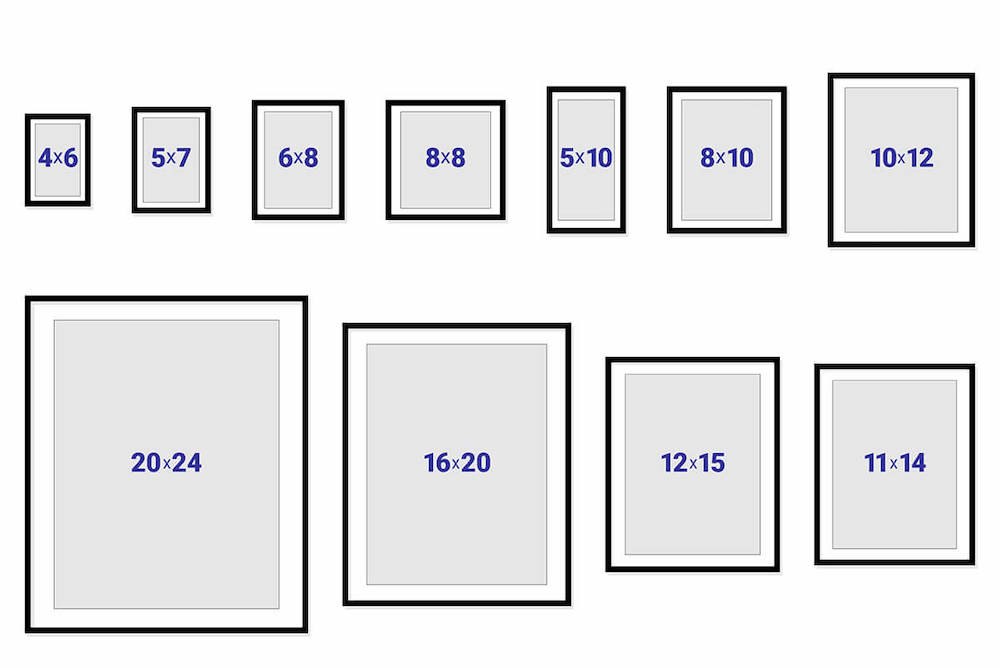
NORMAL PHOTO FRAMES
Normal photo frames are decorative or protective enclosures designed to hold and display photographs. They are commonly used in homes, offices, and galleries to showcase personal memories, portraits, or artwork. Unlike specialty frames (like God frames or mirrors), normal photo frames are primarily for aesthetic presentation and protection of photos.
Materials Used for Normal Photo Frames
Wood
Classic and versatile.
Can be polished, painted, or carved.
Gives a warm, traditional look.
Metal
Aluminum, brass, or stainless steel.
Sleek and modern appearance.
Durable and long-lasting.
Plastic / Acrylic
Lightweight and affordable.
Available in many colors and designs.
Easy to clean and maintain.
Glass / Transparent Frames
Offers a minimalistic and elegant style.
Protects photos from dust and fingerprints.
Styles of Normal Photo Frames
Classic / Traditional: Simple wooden frames for family photos or portraits.
Modern / Minimalist: Sleek metal or acrylic frames with clean lines.
Collage Frames: Multiple slots for several photos in one frame.
Decorative / Themed: Frames with patterns, colors, or designs for special occasions.
Standing or Hanging: Can be placed on tables/desks or mounted on walls.
Purpose of Normal Photo Frames
Protection: Shields photos from dust, moisture, scratches, and fading.
Decoration: Enhances the visual appeal of the photo and the surrounding space.
Display: Makes personal memories or artwork more prominent and organized.
Gift Option: Often used as personalized gifts with family or travel photos.