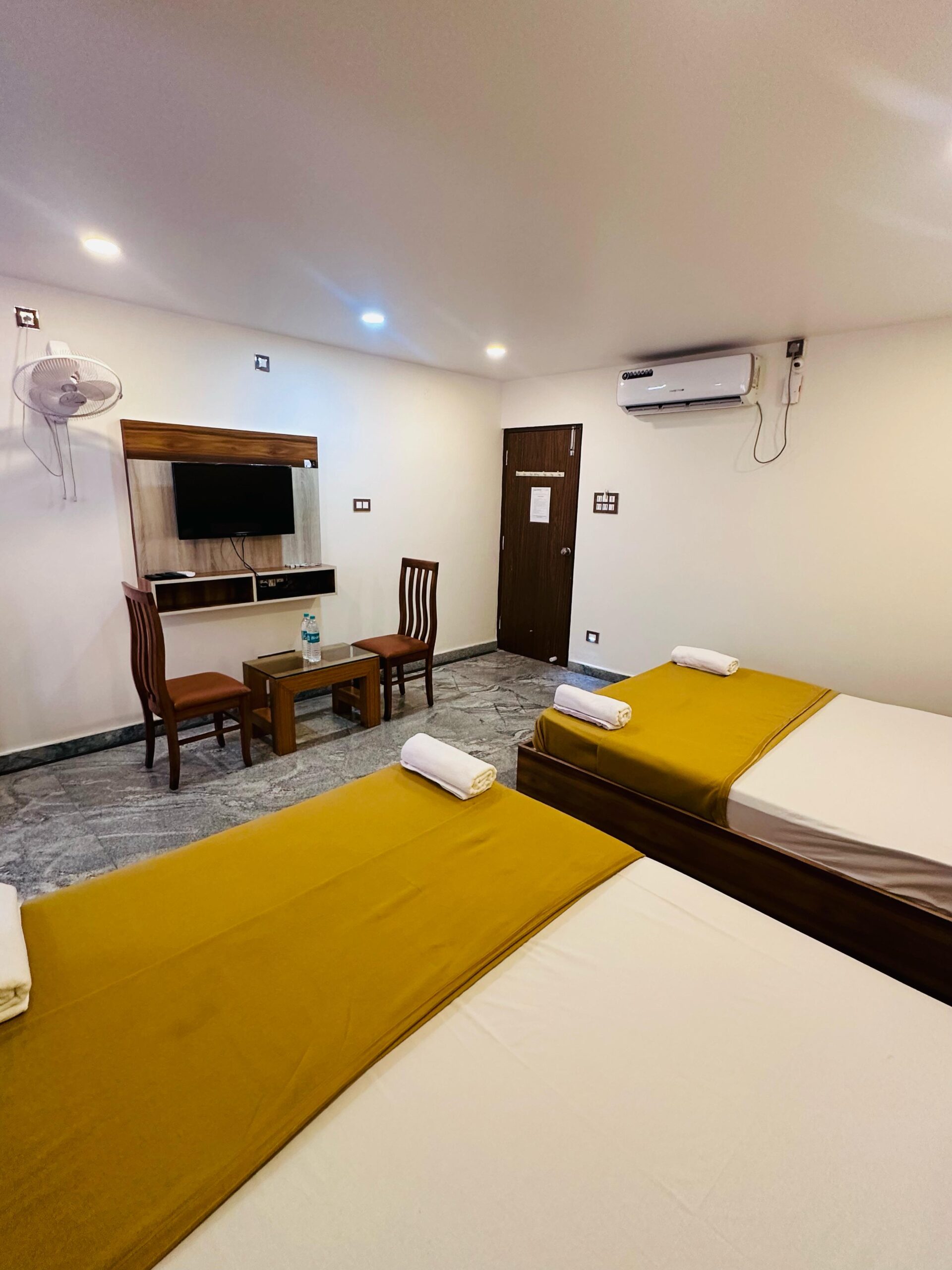
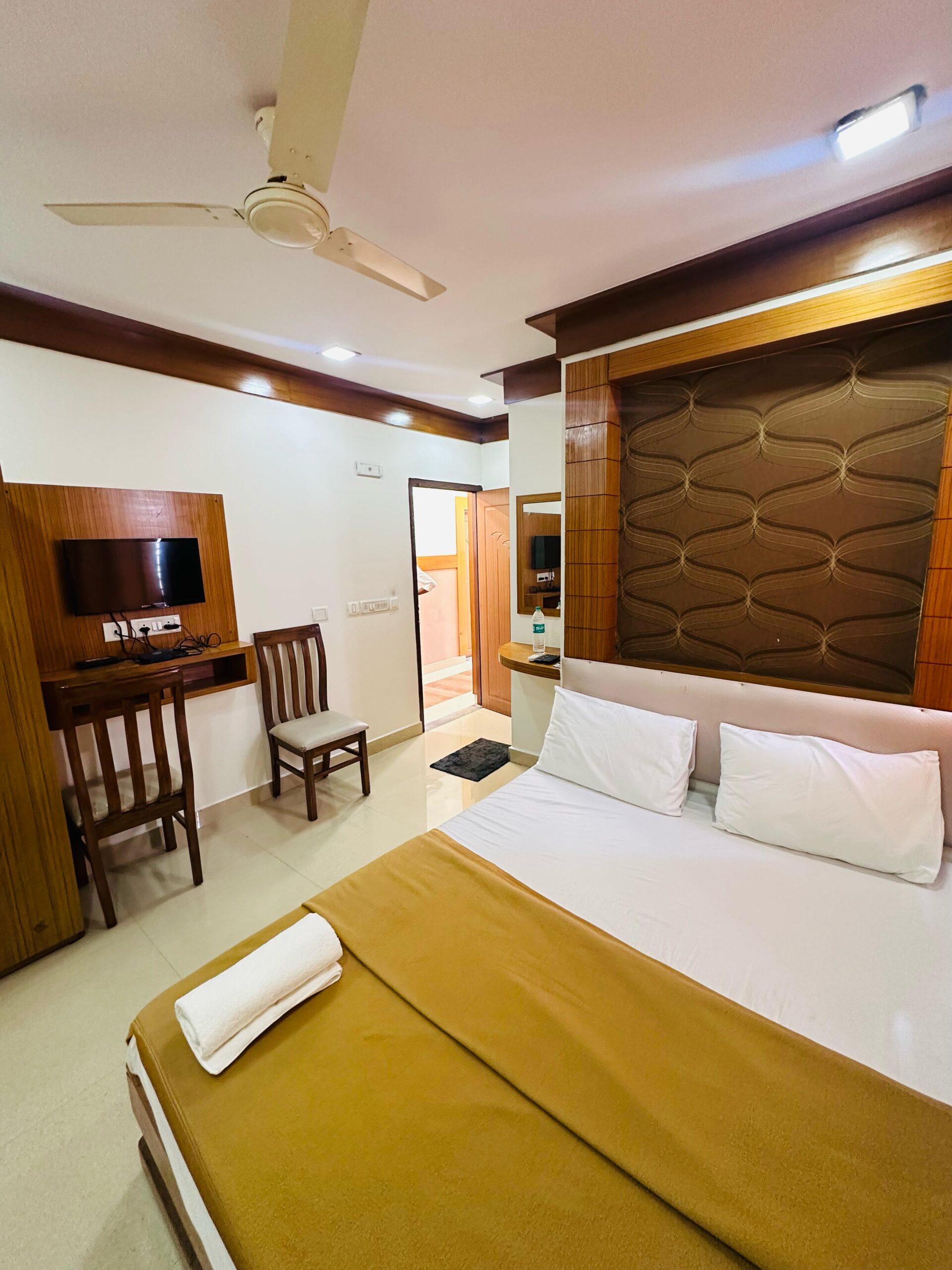
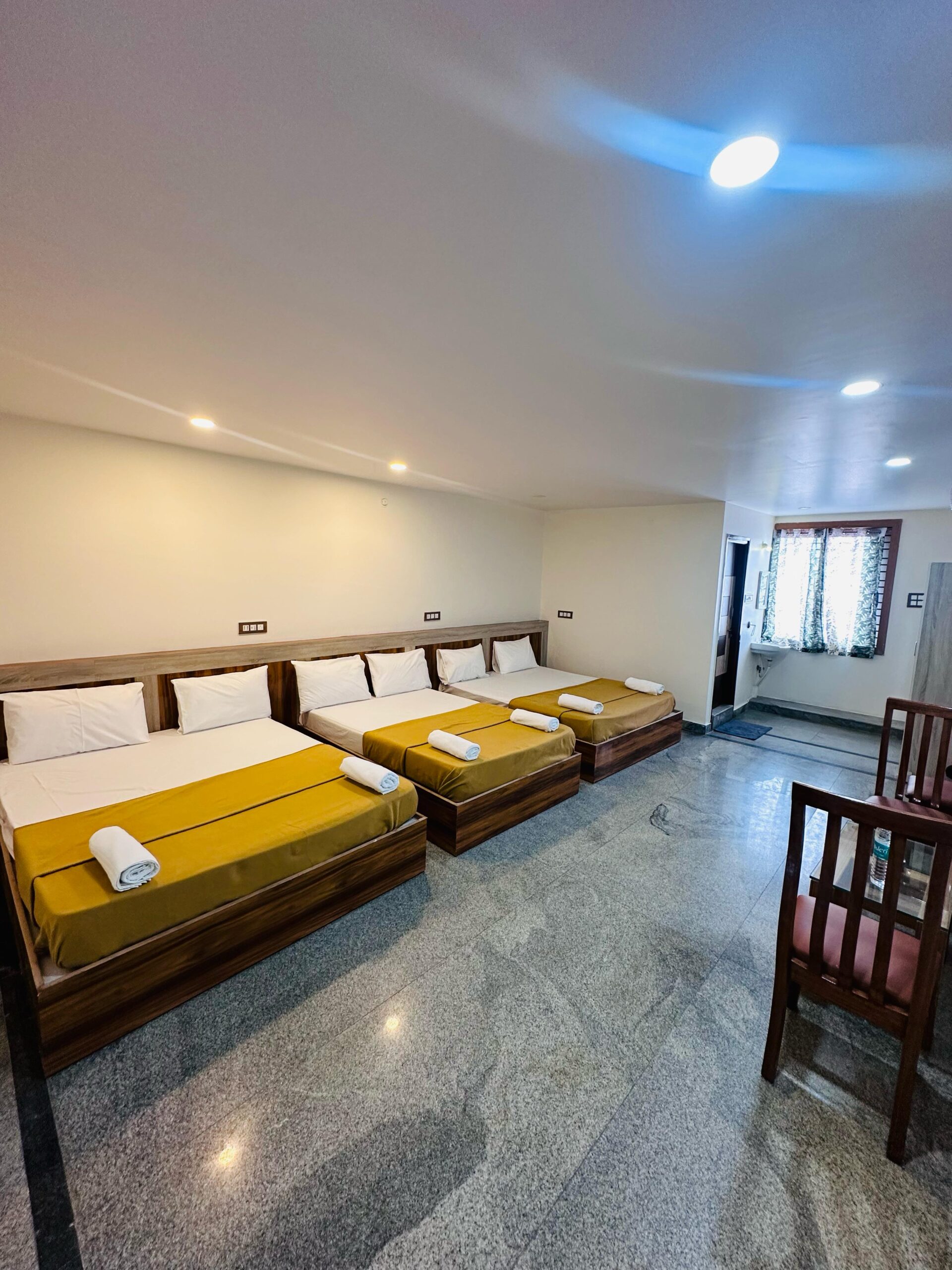
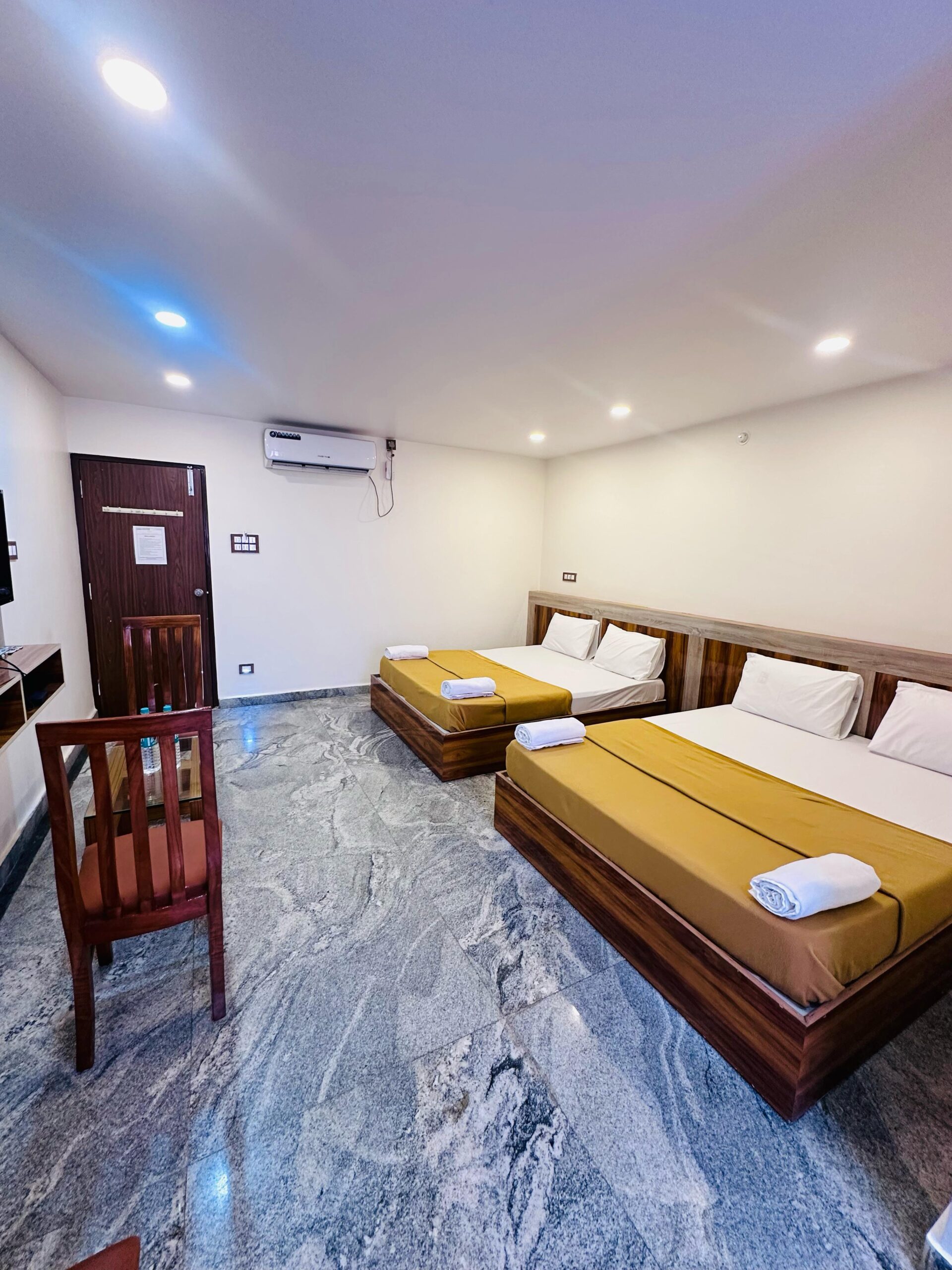
Small Lodge




Account Details:
Name – BUSINESS NAME
A/C No. – 1085690660
BANK – STATE BANK OF INDIA
IFSC – SBIN0014798
Branch – SME, Erode
GSTIN : 29AABCY8798F1ZI
UPI ID: devayanidigitech@okhdfcbank

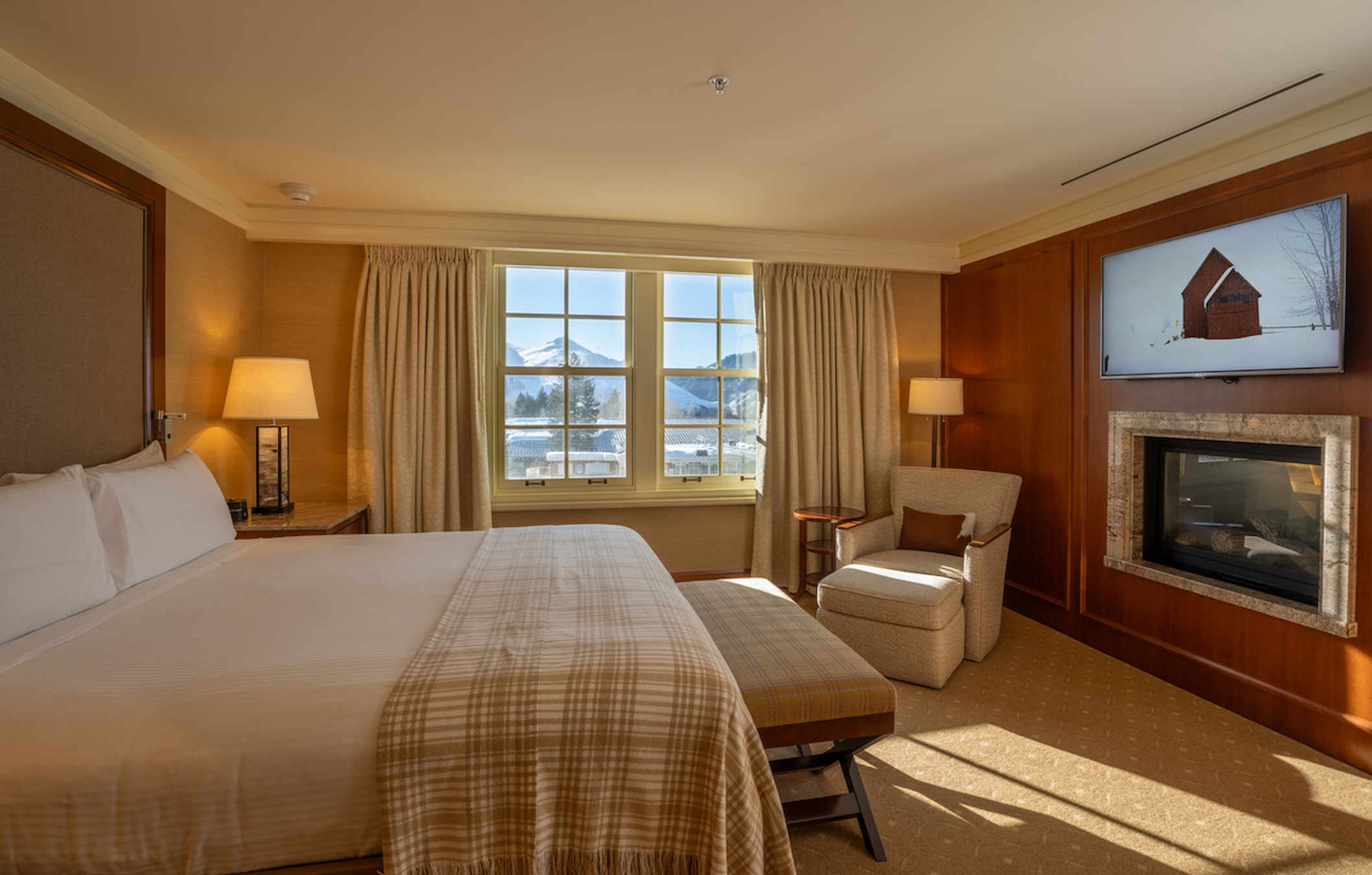
A small lodge is an intimate and charming accommodation, often found in natural or rural settings, that emphasizes a personalized and cozy guest experience. Unlike large, standardized hotels, small lodges offer a more rustic and authentic feel, with a focus on connection with the surrounding environment.
Common characteristics of a small lodge
⦿ Natural location: Small lodges are typically situated in scenic, non-urban areas like mountains, forests, lakefronts, or wildlife reserves. The architecture is often designed to blend into the landscape, using natural materials like wood and stone to create a rustic, yet comfortable, ambiance.
⦿ Cozy and exclusive atmosphere: With a limited number of rooms or cabins, small lodges provide a peaceful and intimate retreat away from the noise of the city. This smaller scale allows for a relaxed and calming atmosphere, with a greater emphasis on privacy for each guest.
⦿ Personalized service: The smaller staff-to-guest ratio means that guests often receive more attentive and personalized care. Staff might remember your name and preferences, offering customized recommendations for activities or dining.
⦿ Local focus: A small lodge often offers a chance to experience the local culture in a meaningful way. This can include enjoying meals prepared with fresh, regional ingredients and participating in authentic local activities.
⦿ Unique and authentic experiences: Guests often seek out small lodges for their unique, non-standardized offerings. Instead of a generic buffet, the dining may feature local cuisine, and activities can range from guided nature walks to special culinary events.
⦿ Commitment to sustainability: Many smaller lodges, particularly eco-lodges, focus on responsible tourism by using renewable energy and water recycling, and supporting the local community and economy.
Types of small lodges
Small lodges can be found across a variety of settings, each offering a distinct experience:
⦿ Country inn: Found in small towns and villages, focusing on a peaceful setting, clean accommodations, and home-cooked meals.
⦿ Eco-lodge: A sustainable accommodation built with ecological materials and using renewable energy, located in nature reserves or protected forests.
⦿ Safari lodge: A smaller facility in or near a wildlife area, offering game drives and wildlife viewing opportunities.
⦿ Hunting lodge: A small, rustic cabin or house used as a temporary residence during hunting season.
⦿ Fishing lodge: An establishment located on a lake or river, catering to anglers by providing easy access to prime fishing spots and expert guides.
Types of rooms ;-
The room types available at a lodge can vary greatly, depending on the lodge’s size, location, and the type of experience it offers, such as rustic, family-oriented, or luxury.
Common lodge room types
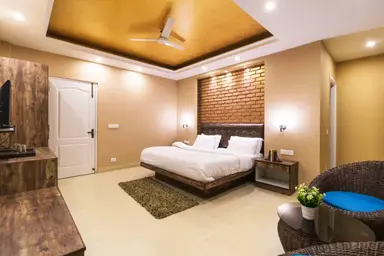
Standard or classic rooms
This is the most common and basic accommodation type, suitable for solo travelers, couples, or short-term stays.
⦿ Occupancy: Typically set up for one or two people.
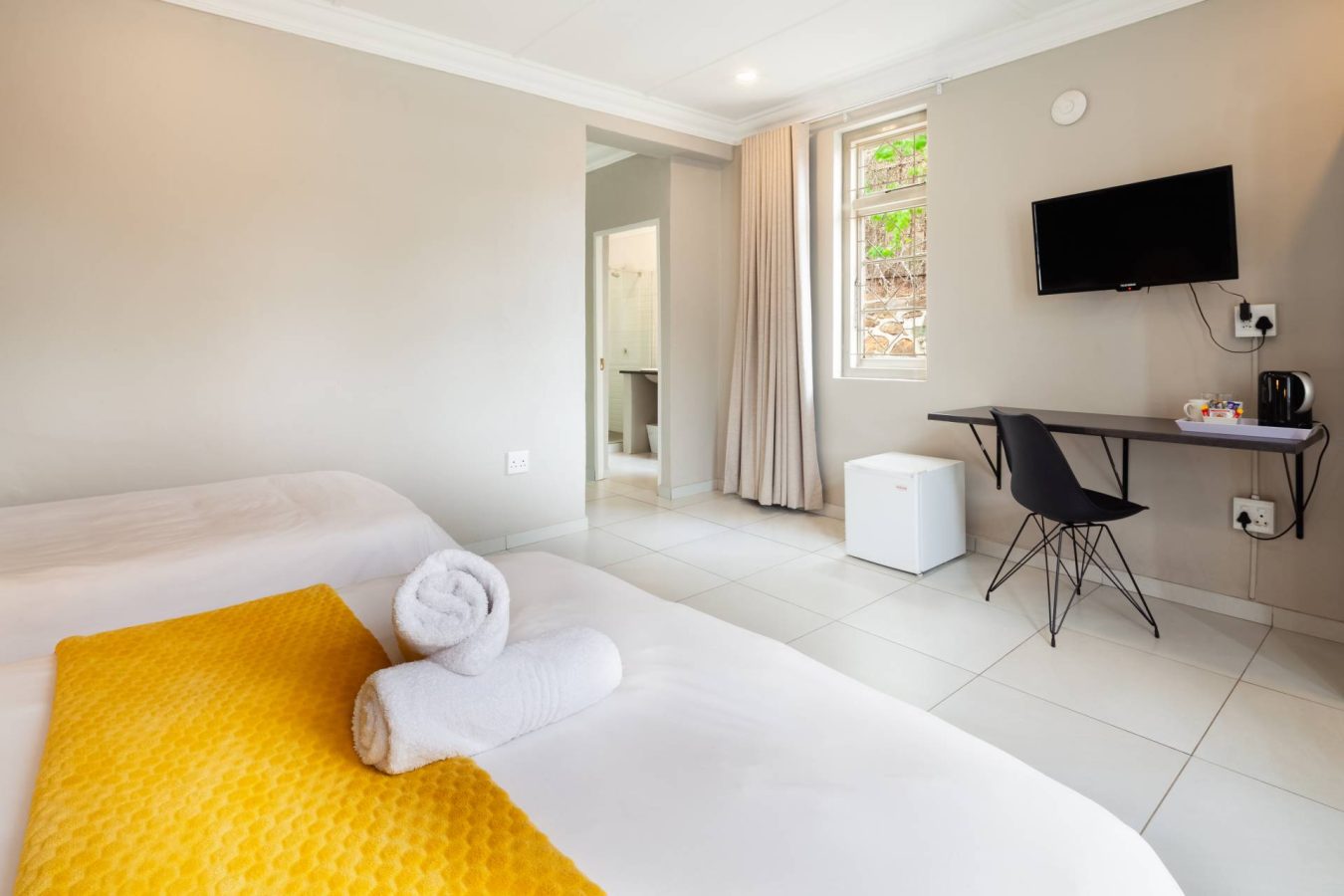
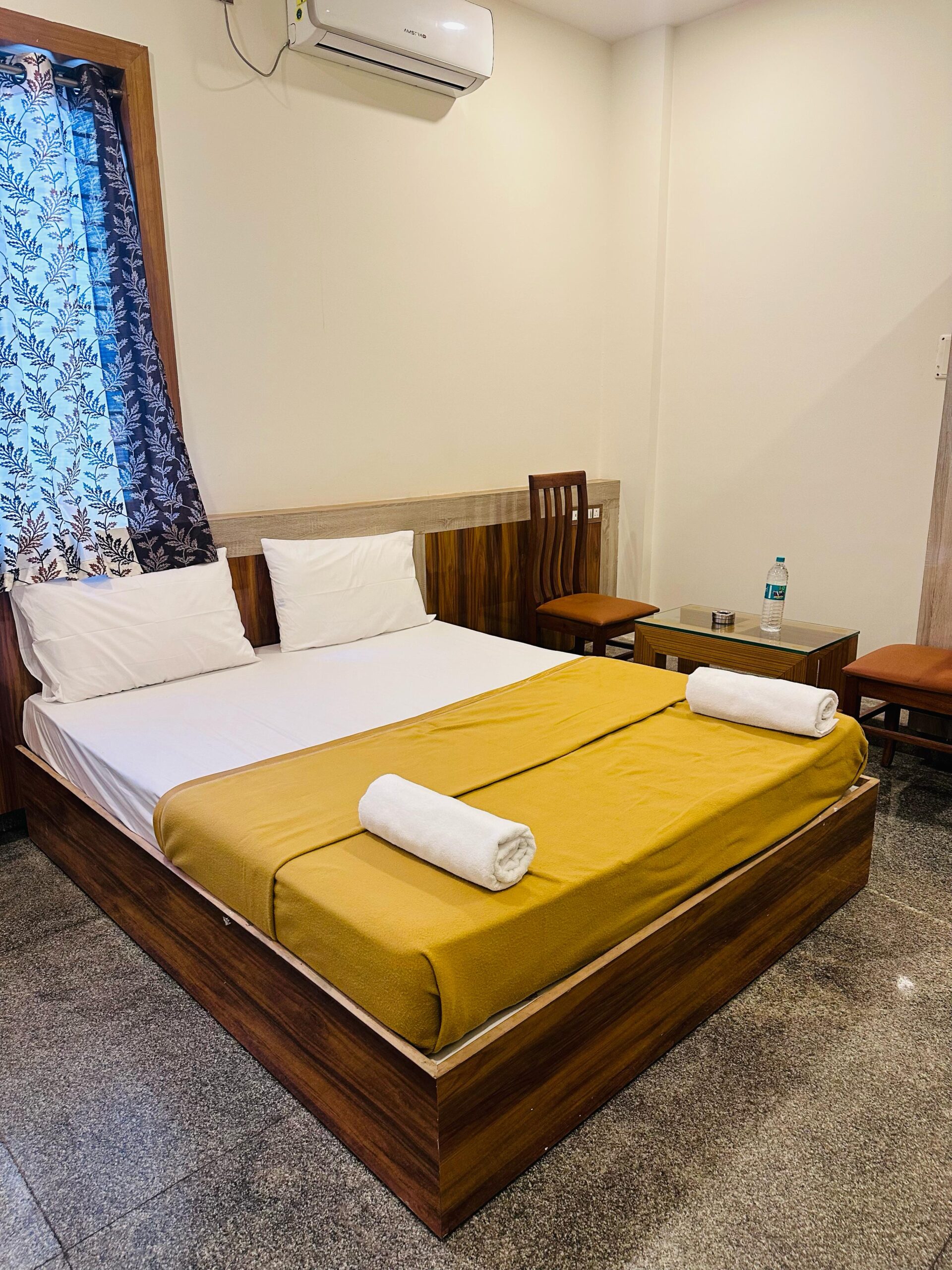
⦿ Amenities: Usually includes a bed (single, twin, or double), a private bathroom, and essential furniture like a desk, chair, and wardrobe.
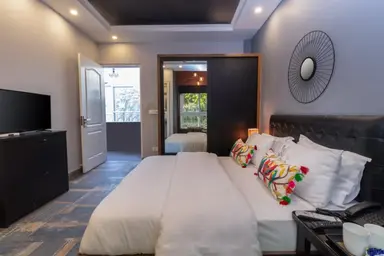
Deluxe or superior rooms
These are an upgraded version of the standard room, with more space, better views, or enhanced amenities. The specifics can vary from one lodge to another.
⦿ Space: Larger than a standard room.
⦿ Amenities: May include a larger bed, more luxurious bathroom fixtures, or a seating area.
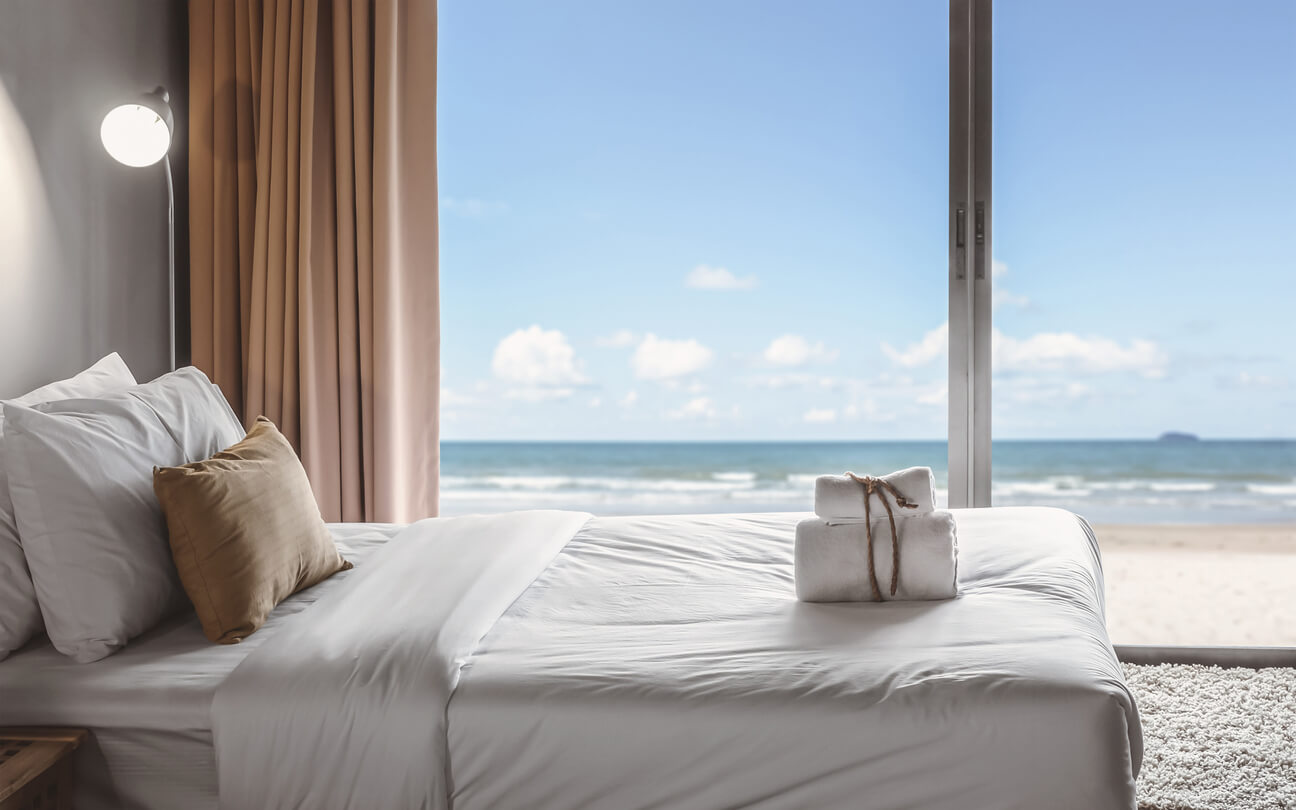
⦿ Views: Often situated on higher floors or in more desirable locations to offer better views.
Suites
Suites provide more space and luxury by offering a separate living and sleeping area.
⦿ Junior suite: A smaller suite with a combined sleeping and seating area, often featuring a sofa bed. It offers more space than a standard room but may not have a fully separated bedroom.
⦿ Standard suite: Includes a separate living room and bedroom. Some may also have a kitchenette.
⦿ Executive or presidential suite: The most luxurious option, offering multiple rooms, high-end furnishings, panoramic views, and exclusive services.
Family rooms or cabins
These accommodations are specifically designed to house families or small groups comfortably.
⦿ Bedding: Often include multiple beds, such as a double bed with extra twin beds, bunk beds for children, or pull-out couches.
⦿ Layout: Some may have multiple, connected rooms or a single large room with separate sleeping zones.
⦿ Amenities: Sometimes feature child-friendly facilities and enough space for families to spread out.
Bunk rooms or dormitories
Common in budget-friendly hostels or lodge-style accommodations, these rooms offer an economical option for solo travelers or groups.
⦿ Occupancy: Guests share a room, typically with bunk beds.
⦿ Facilities: Bathrooms and kitchens are often shared among guests.
⦿ Atmosphere: Promotes socialization among travelers in shared common spaces.
Standalone cabins or villas
For a more private and secluded experience, many lodges offer detached, individual accommodations.
⦿ Location: Cabins are often nestled in wooded or mountainous areas, providing a rustic and nature-connected feel.
⦿ Amenities: Villas are often a more luxurious version of a cabin, and may include high-end features like a full kitchen, multiple bedrooms, and a private pool.
Room types by lodge purpose
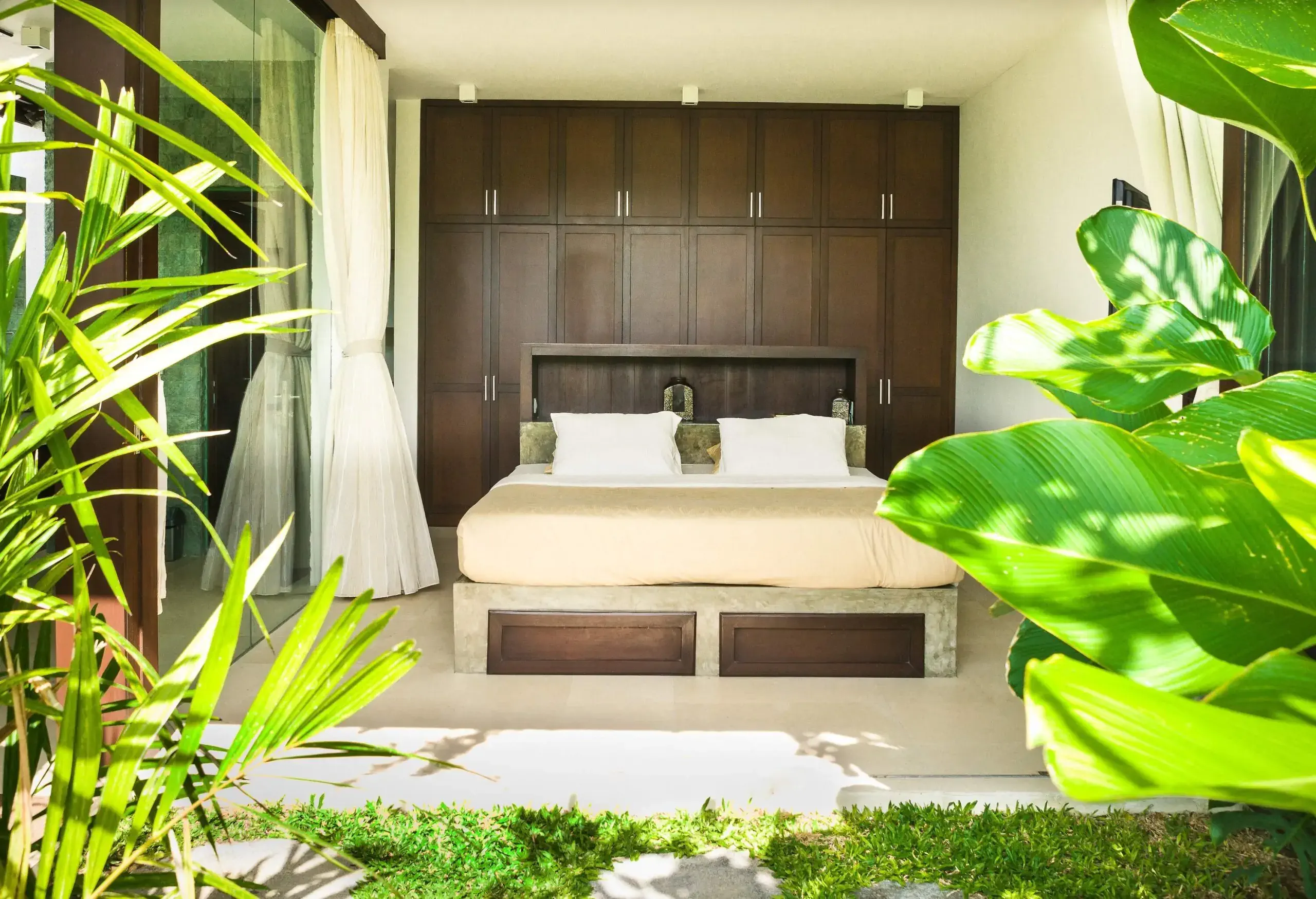
Eco-lodges
⦿ Rooms are often designed with sustainability in mind, using natural materials.
⦿ They may feature open-air designs or natural ventilation to minimize environmental impact.
⦿ Examples include treehouses or simple cottages.
Safari lodges
⦿ Rooms can range from luxury tents to well-appointed villas.
⦿ They are designed to provide prime viewing of wildlife from the comfort of the accommodation.
Boutique lodges
⦿ Known for their unique and customized aesthetic, each room may have a distinct theme.
⦿ Rooms emphasize a stylish, high-end guest experience over uniformity.
PHOTOS