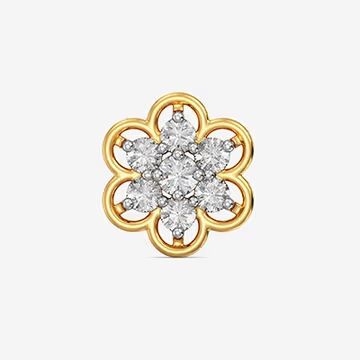




Gold Filled, also called Gold Overlay, refers to a layer of at least 10-Karat gold that has been permanently bonded by heat and pressure to one or more surfaces of the support metal, then rolled or drawn to a prescribed thickness. The Karat gold must be at least 1/10th of the total weight.
Gold Plate means that a layer of plating of 10+ Karat gold has been bonded to a base metal. The Karat gold content may be less than 1/20th, but it must be properly identified by weight in terms of total metal content.
Gold Leaf is just gold plating that’s been pounded and applied by hand.
Gold Color
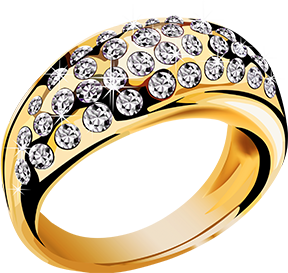
Yellow gold is alloyed with copper, zinc and silver. It is malleable, ductile, and generally non-corrosive, so it has a high melting point and is not susceptible to compression.
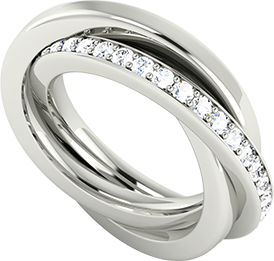
White gold is alloyed with copper, zinc and nickel. The percentage of gold naturally varies, according to the amount of other metal used. It is frequently used in diamond jewellery and considered a classic metal choice. White gold is highly reflective and not subject to tarnish.
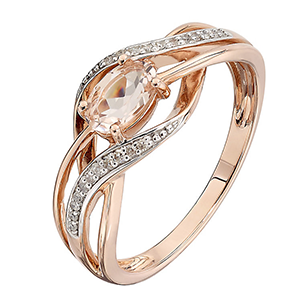
Rose gold (also known as pink gold) is alloyed with copper, and in some cases silver. The proportions are about one part of copper to three parts of 24-karat gold.
Hallmark is the certificate of the purity of the gold. The process involves evaluation of gold products at Hallmarking & Assaying Centre which are later certified at national and international standards. The Jeweler who intends to get their jewellery hallmarked contacts Bureau of Indian Standards (BIS) for a license, after acquiring the license, the products are sent to Assaying and Certification Centre for certification.
The license is offered by BIS to the jewelers and the manufacturers once they complete the requirements as per IS 1417:1999, which ensures the purity and practice of gold products. The license enables the jeweler to trade the gold with credibility and trust to the customers.
If the product has the Hallmark of BIS’s logo, it signifies major traits like the fineness number, mark of Assaying and Hallmarking Centre (where the jewellery has been marked ) with the year of the mark and the manufacturers mark.
Checklist
Markings to look for while buying a hallmarked product:
1. BIS Mark

2. A three digit number (out of 6 predefined values) indicating the purity of the gold in part per 1000 format.
| Fitness | Fineness of Gold |
|---|---|
| 958 | 95.8 % or 23 Karat purity of gold |
| 916 | 91.6% or 22 Karat purity of gold |
| 875 | 87.5% or 21 Karat purity of gold |
| 750 | 75.0% or 18 Karat purity of gold |
| 585 | 58.5% or 14 Karat purity of gold |
| 375 | 37.5% or 09 Karat purity of gold |
3. Logo of the Assaying Centre:
The logo of the BIS recognized Assaying and Hallmarking Centre.
4. Year of Marking:
A code denoting the date of hallmarking.
5. Logo/Code of the jeweler:
Logo of BIS certified jeweler or manufacturer.
Advantages of Hallmarking / Certified Gold:
1.Protects consumer against victimization due to irregular gold quality.
2.Provides third party assurance and satisfaction about the purity of the gold for the given price (value for money).
3.Holds better value than the non-hallmarked counterparts, especially for resale and upgrading purpose.

Earrings

Pendants

Rings

Nose pins

Bangles & Bracelets

Chains

Necklace

Mangalsutras

Gold Sindoor Box

Gold Coins

Idols

Silver Article

Silver Anklet