



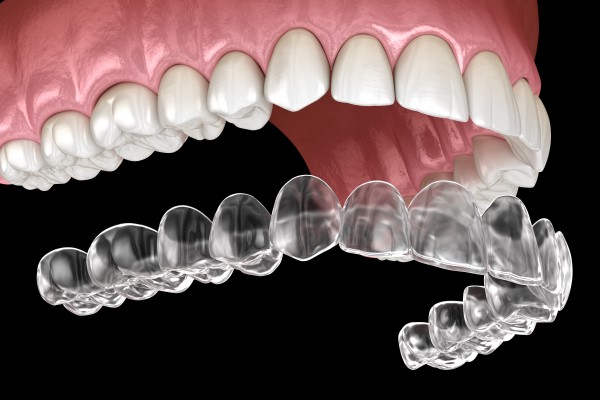
Invisalign
Invisalign is a type of removable clear aligner system used for orthodontic treatment to straighten teeth. Unlike traditional braces, it uses custom-made, transparent plastic trays to gradually move teeth into the desired position. Because they are nearly invisible, Invisalign is a popular aesthetic alternative to metal braces.
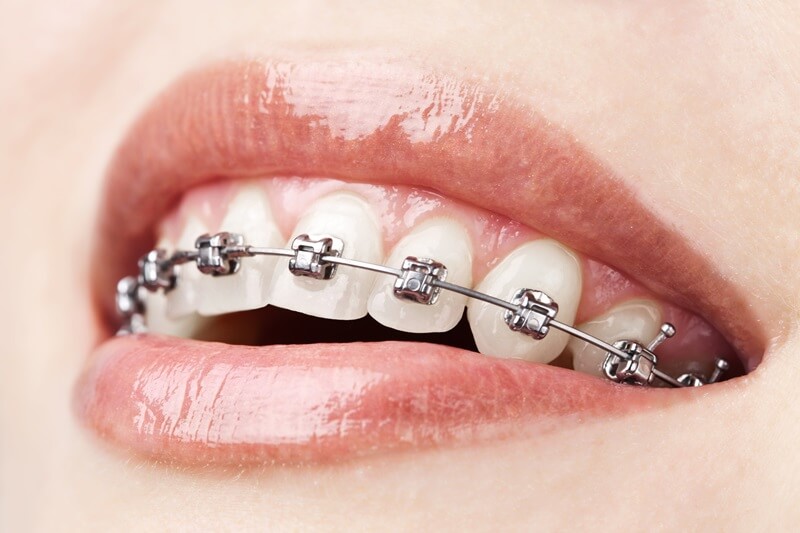
A fixed orthodontic appliance
A fixed orthodontic appliance is a dental device that is cemented or bonded to the teeth and cannot be removed by the patient. Its primary function is to move teeth into desired positions, correct malocclusion, and align the bite. These appliances are commonly used in comprehensive orthodontic treatment.
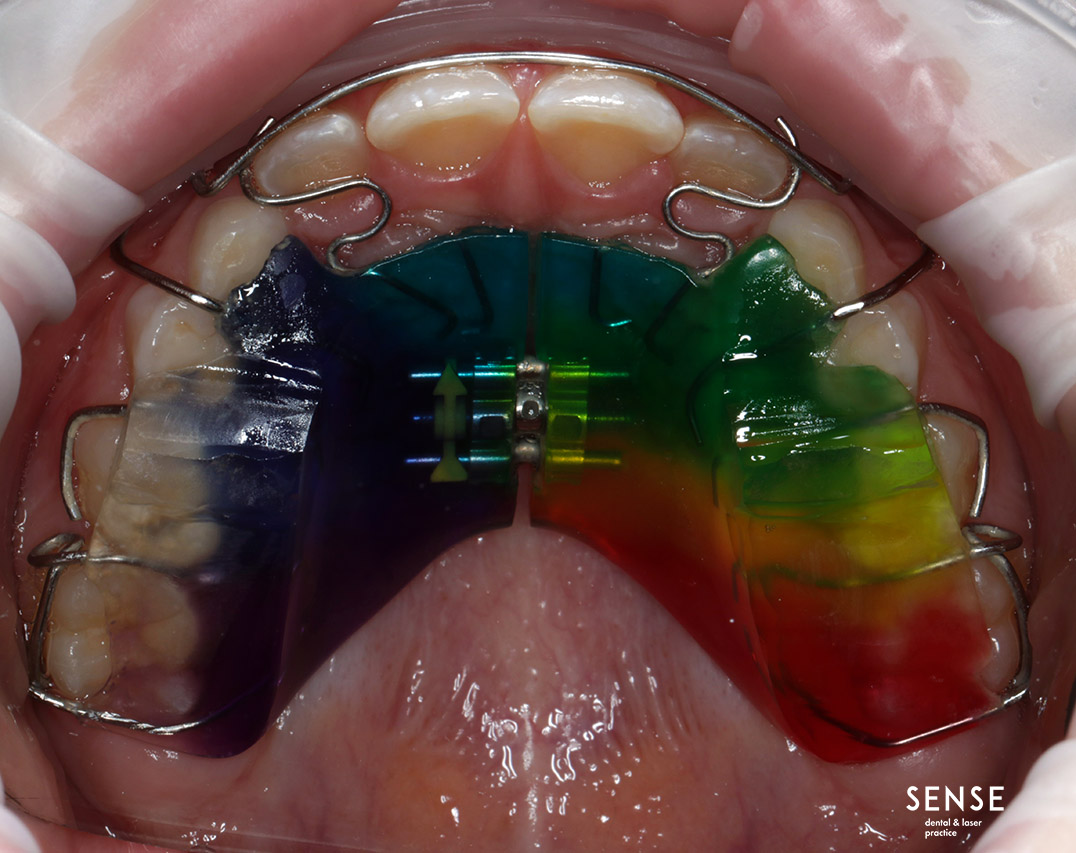
Removable Orthodontic Appliance
A removable orthodontic appliance is a dental device that can be taken out by the patient for cleaning, eating, or special occasions. It is used to move teeth, maintain space, correct minor bite issues, or guide jaw growth in children and adolescents.
Unlike fixed appliances (like braces), these are not permanently attached to the teeth.
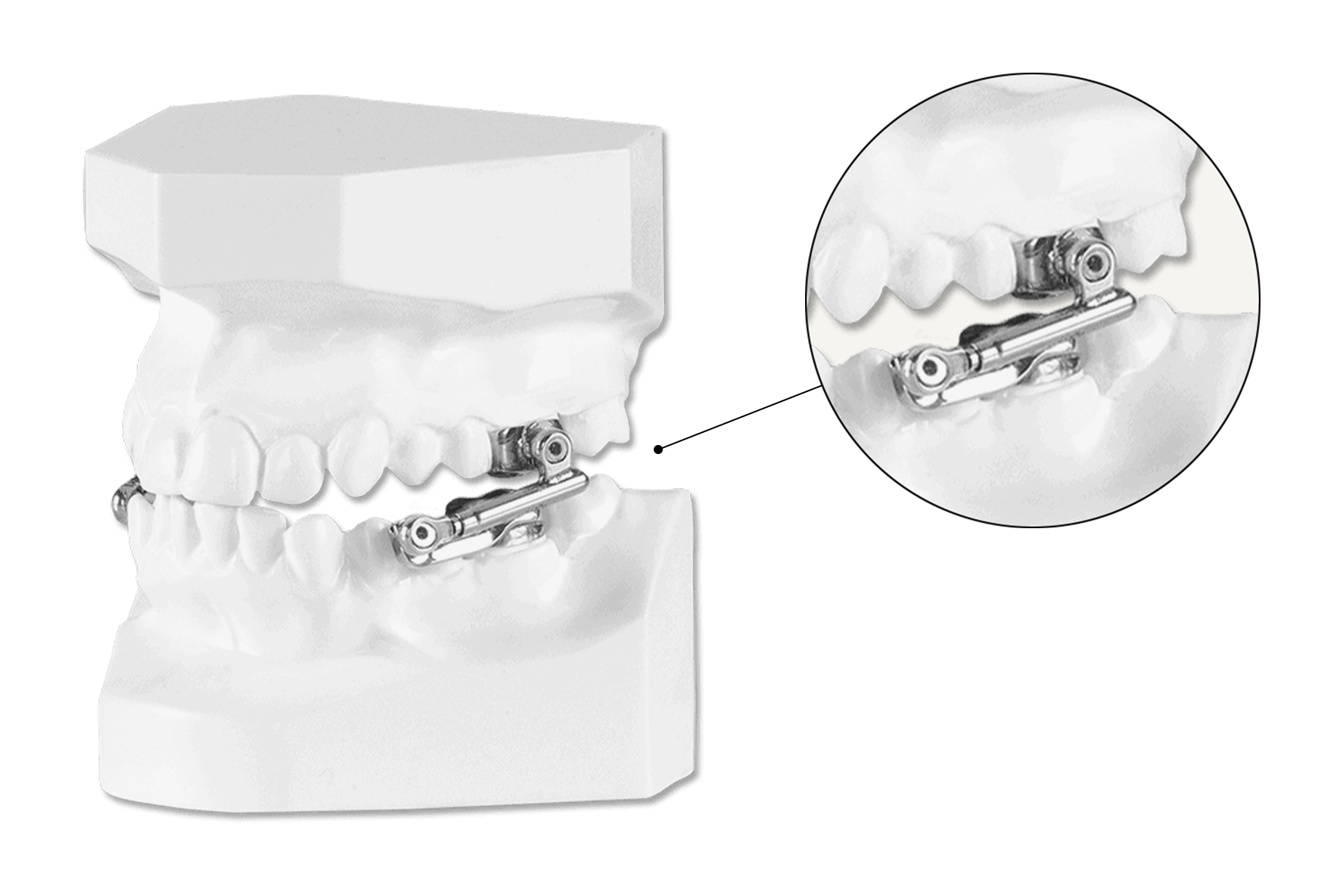
Functional appliance
A functional appliance is an orthodontic device used to modify jaw growth, correct bite relationships, and guide the position of the teeth and jaws. Unlike fixed braces, functional appliances work by using the forces generated by the muscles of the mouth and jaw rather than direct mechanical force on individual teeth. They are most commonly used in growing children and adolescents to correct skeletal discrepancies.
Functional appliances can be removable (most common) or fixed.
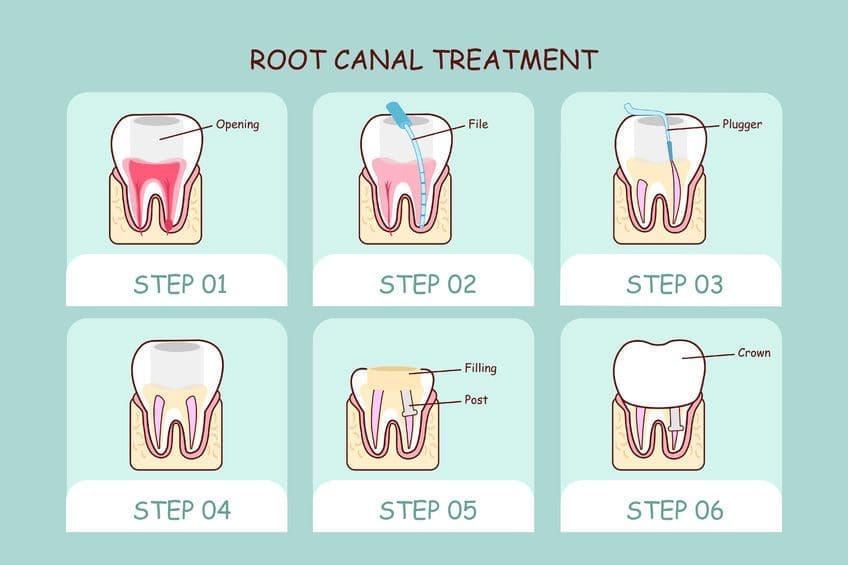
Root canal treatment
Root canal treatment is a dental procedure used to treat infection or inflammation inside the tooth’s pulp (the soft tissue containing nerves and blood vessels). The goal is to save a tooth that might otherwise need extraction.
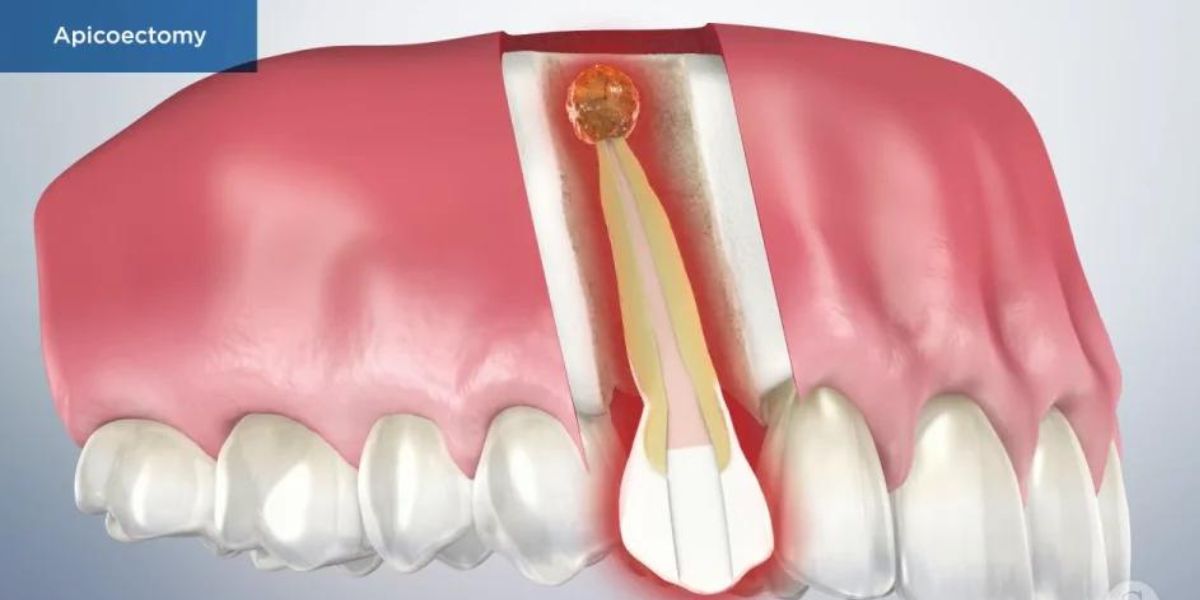
Apicoectomy
An apicoectomy, also called root-end surgery, is a minor surgical procedure performed on a tooth when conventional root canal treatment (RCT) fails or cannot fully eliminate infection. Instead of removing the entire tooth, the tip of the tooth’s root (apex) is surgically removed, and the area is cleaned and sealed to preserve the natural tooth.
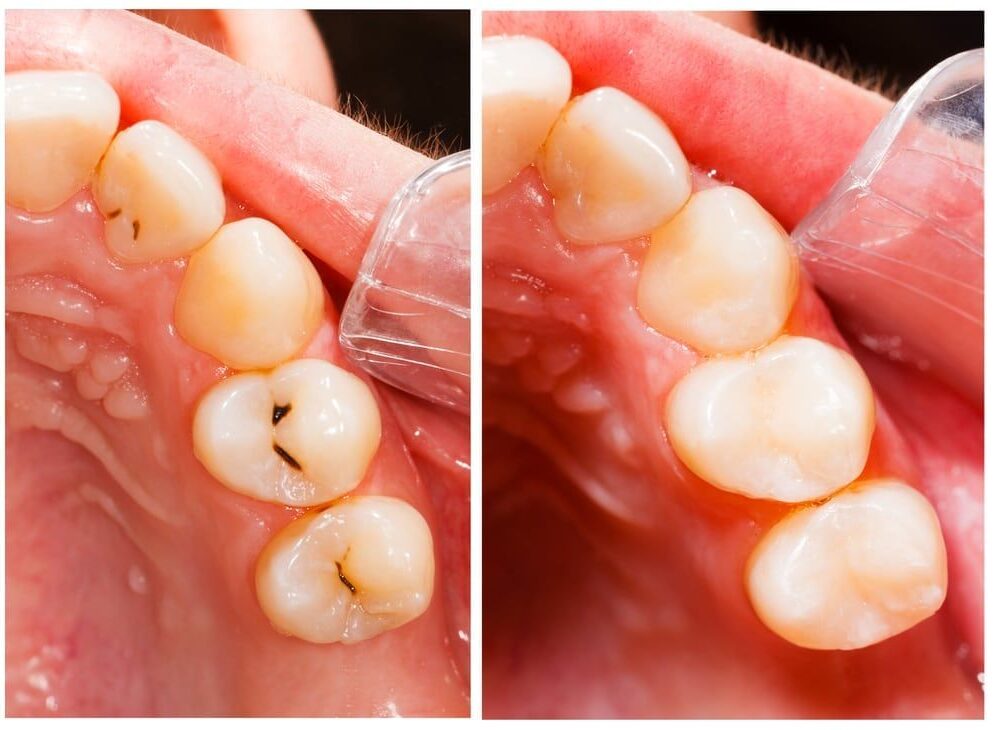
Restoration composite restoration
A composite restoration is a type of tooth-colored filling used to repair teeth damaged by decay, fractures, or wear. Composite material is a resin-based, plastic material mixed with fine glass or ceramic particles that can bond directly to the tooth structure, providing both strength and aesthetics. It is sometimes called a direct resin restoration because it is applied directly to the cavity and shaped in the mouth.
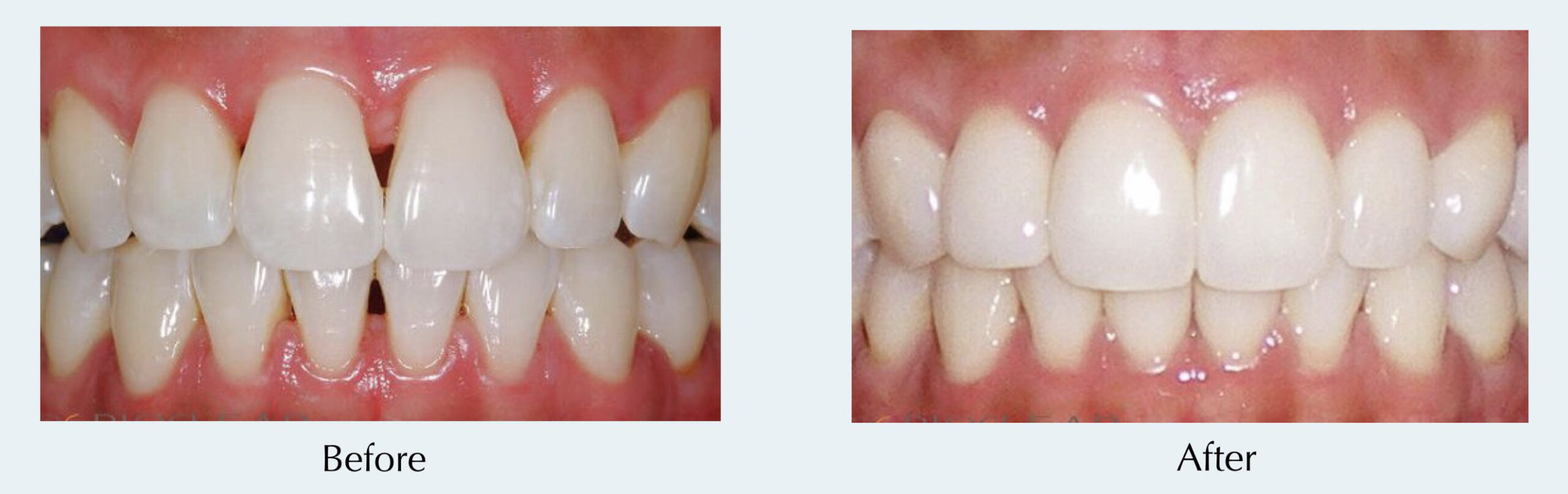
Bioclear Restoration
Bioclear restoration is a modern, minimally invasive, tooth-colored restorative technique that uses flowable composite resin and clear matrix systems to rebuild, reshape, or repair teeth. It is particularly designed to restore teeth with decay, black triangles (gaps between teeth), or aesthetic defects while preserving as much natural tooth structure as possible.
Unlike traditional composite fillings, Bioclear uses molded matrices that allow the composite to wrap around the tooth, creating smooth, anatomically correct contours with excellent long-term aesthetics.
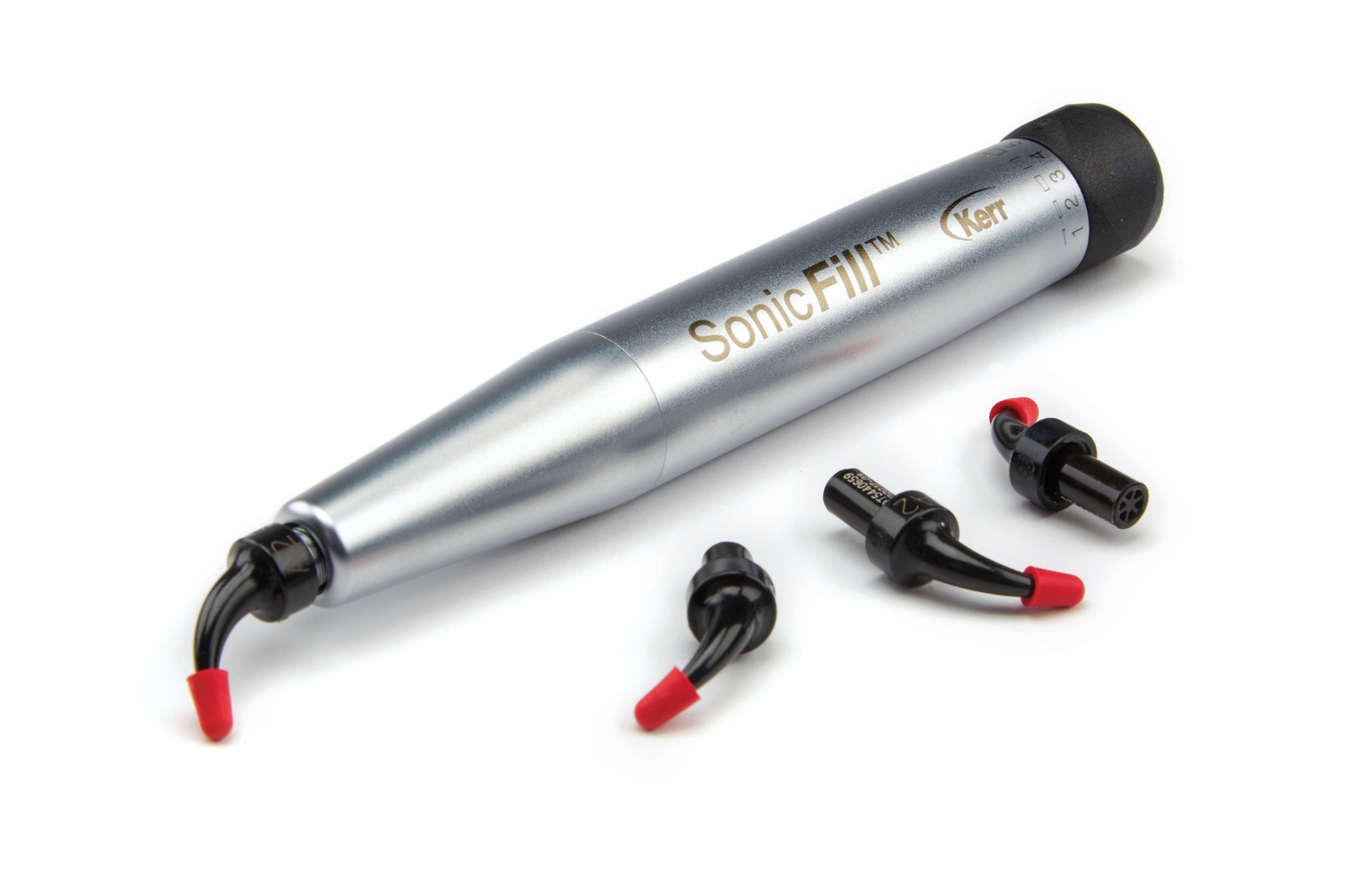
Sonic Restoration
Sonic® Restorations are a type of composite resin dental restoration placed using sonic-activated compaction technology. This system uses vibrations delivered through a special handpiece to temporarily reduce the viscosity of the composite material, making it flowable for easy adaptation to cavity walls. Once the sonic energy stops, the composite regains its original viscosity, allowing for dense, compact restorations.
This technique is used for direct posterior (back teeth) and sometimes anterior (front teeth) restorations.
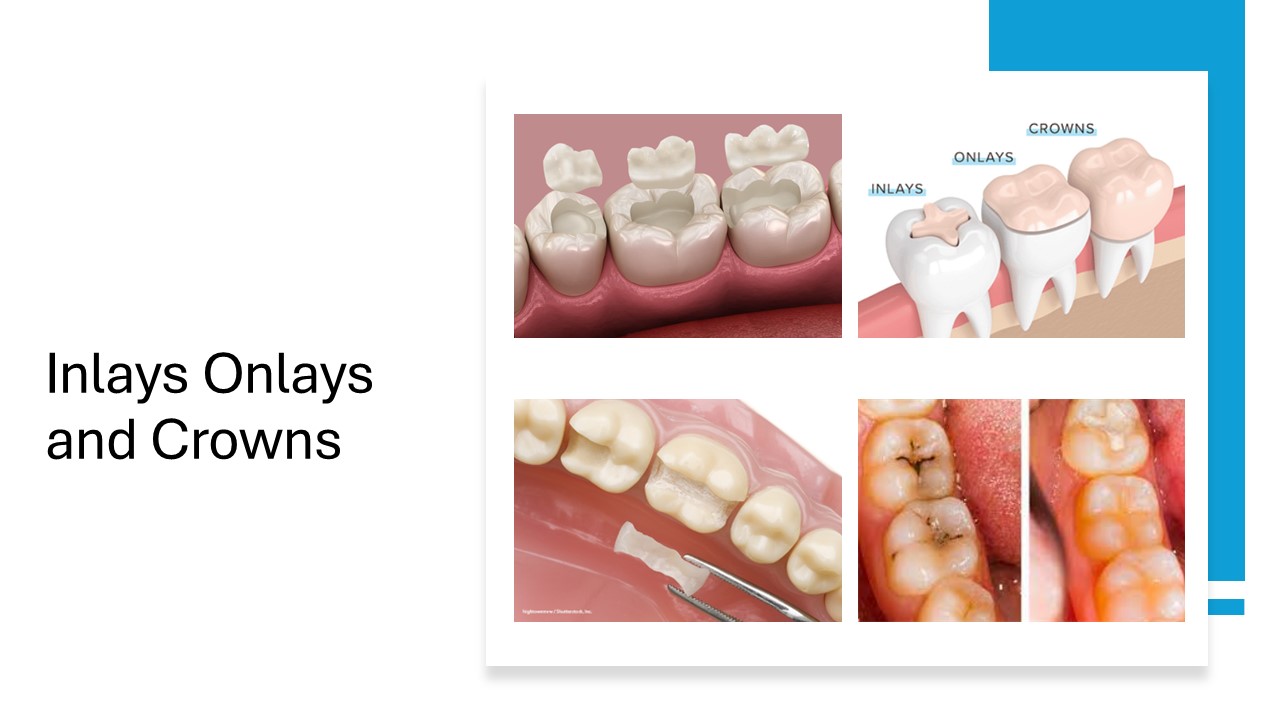
Aesthetic Restoration
Aesthetic restorations are dental procedures that restore the appearance, shape, color, and function of teeth while maintaining or enhancing a natural smile. They are designed to blend seamlessly with the patient’s natural teeth and are often made from tooth-colored materials such as composite resin, porcelain, or ceramic.
Unlike purely functional restorations, aesthetic restorations prioritize visual appeal alongside structural repair.
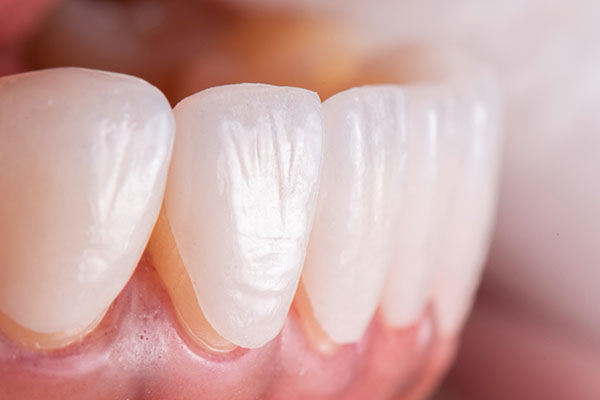
veneering
Dental veneering is the process of placing very thin shells (veneers) made of tooth-colored material over the front surface of natural teeth. These shells improve the appearance of teeth by masking cosmetic issues such as discoloration, chips, gaps, or irregular shapes. Veneers are custom-made based on your teeth and smile goals. In dental terminology, a veneer is literally a thin layer of material bonded to a tooth to modify its shape, color, size, or length.
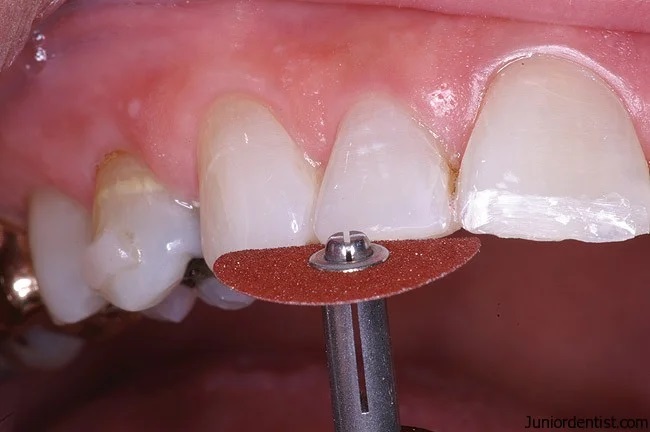
Enameloplasty
Enameloplasty (also called odontoplasty, tooth reshaping, tooth contouring, or tooth shaving) is a minimally invasive cosmetic dental procedure in which a dentist carefully removes very small amounts of enamel (the outer protective layer of the tooth) to change the shape, length, or surface of a tooth.
Purpose: Improve the appearance of minor imperfections — such as sharp edges, uneven or pointy teeth, small chips, or uneven length — and help teeth look more uniform.
Enamel removal: Only tiny amounts are taken off to avoid weakening the tooth; enamel doesn’t grow back once removed.
Numbing: Usually not needed because enamel itself has no nerves.
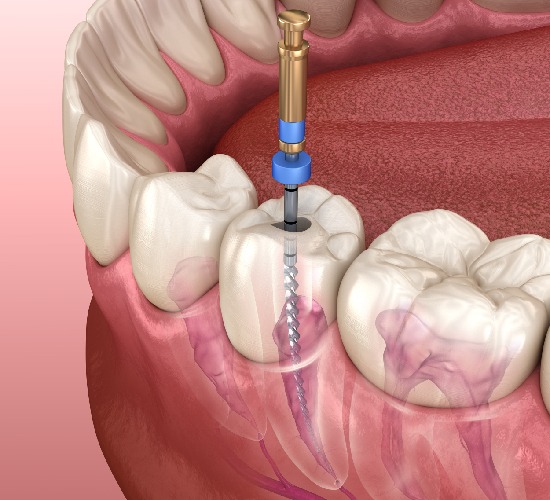
Re-Rct
Re‑RCT (short for repeat root canal treatment or root canal retreatment) is a dental procedure performed when a previously treated tooth’s root canal fails to heal or becomes re‑infected. The goal is to save the natural tooth by reopening and retreating the internal root canal system instead of extracting the tooth.
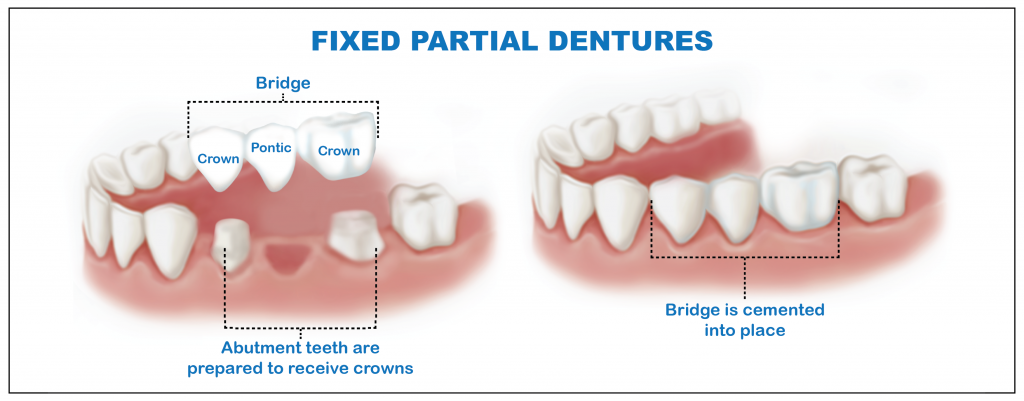
FPD
A Fixed Partial Denture (FPD) — commonly called a dental bridge — is a permanent dental prosthesis used to replace one or more missing teeth by attaching artificial teeth to adjacent natural teeth, tooth roots, or implants. It stays fixed in the mouth and cannot be removed by the patient.
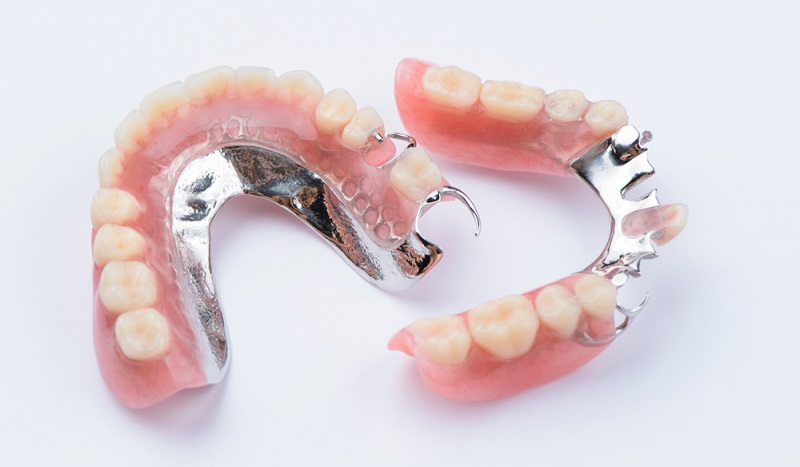
RPD
A Removable Partial Denture (RPD) is a custom‑made dental prosthesis that replaces one or more missing natural teeth in an arch (upper or lower), while allowing the patient to remove and reinsert it at will without professional assistance. Unlike fixed bridges, RPDs are not permanently cemented in place.
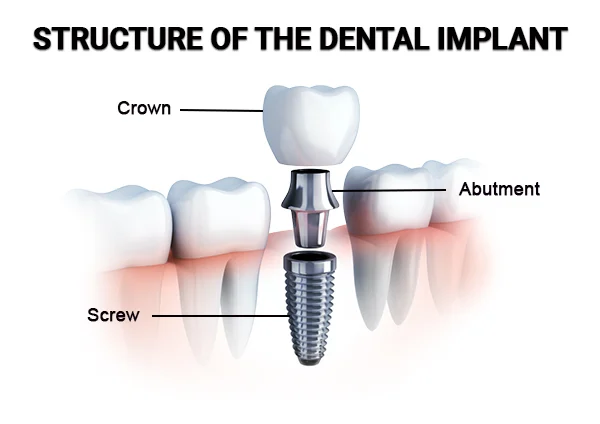
Implant
A dental implant is a surgically placed artificial tooth root that provides a strong foundation for replacement teeth such as a crown, bridge, or denture. It mimics the function of a natural tooth root and integrates with the jawbone over time, creating a stable, long‑lasting support for artificial teeth.
CD
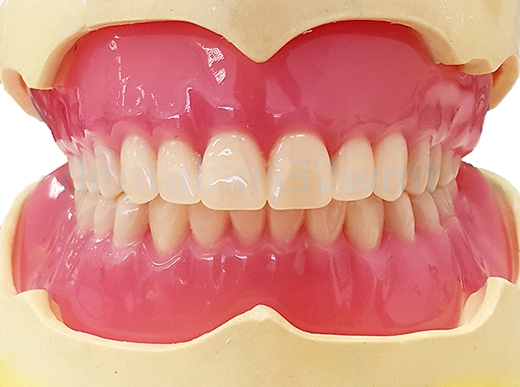
CD stands for Complete Denture — a type of removable dental prosthesis that replaces all the natural teeth in a jaw (upper, lower, or both) when a person has lost all their teeth in that arch. It restores function (chewing/speech) and esthetics (smile/face support) for edentulous patients.
0ral prophylaxis
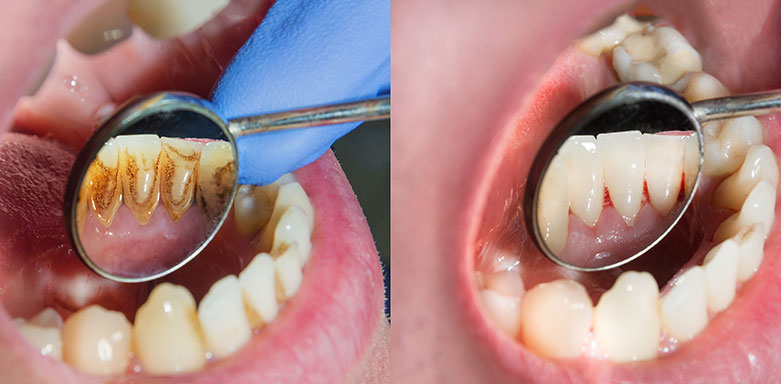
Oral prophylaxis is a preventive dental procedure performed by a dentist or dental hygienist to clean your teeth and gums thoroughly and help prevent oral diseases. It’s commonly known as professional teeth cleaning.
The word prophylaxis comes from a medical term meaning prevention — in this case, preventing tooth decay, gum disease, bad breath, and other dental problems.
Deep scaling
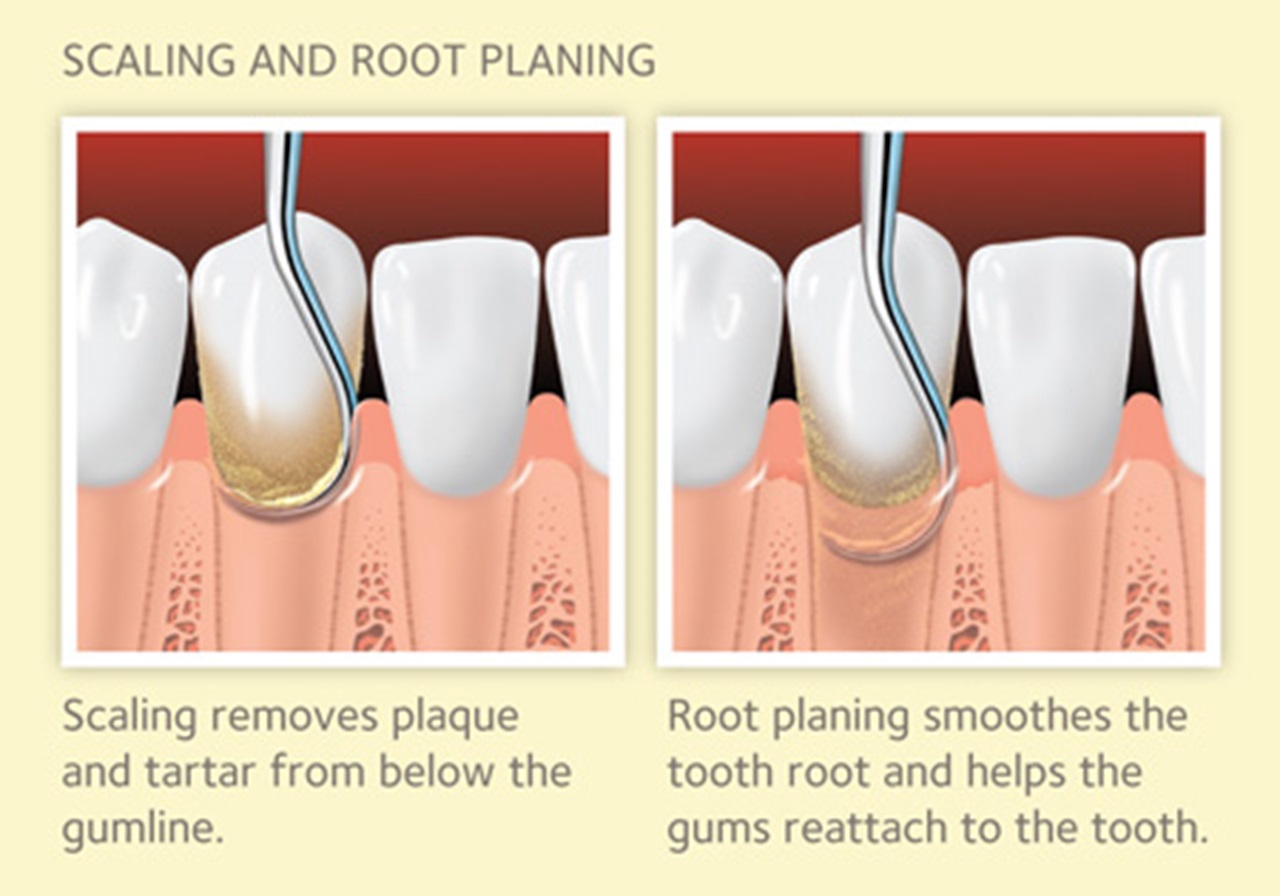
Deep scaling (often called scaling and root planing) is a non‑surgical periodontal treatment used to treat gum disease (periodontitis) by cleaning below the gumline — where regular cleanings can’t reach. It removes plaque, tartar (calculus), and harmful bacteria from your teeth and the root surfaces of the teeth, helping gums reattach and heal.
Scaling: Removes plaque and tartar from the surface of the tooth above and below the gumline.
Root Planing: Smooths the exposed tooth roots to discourage bacterial buildup and help the gums reattach.
Flap surgery
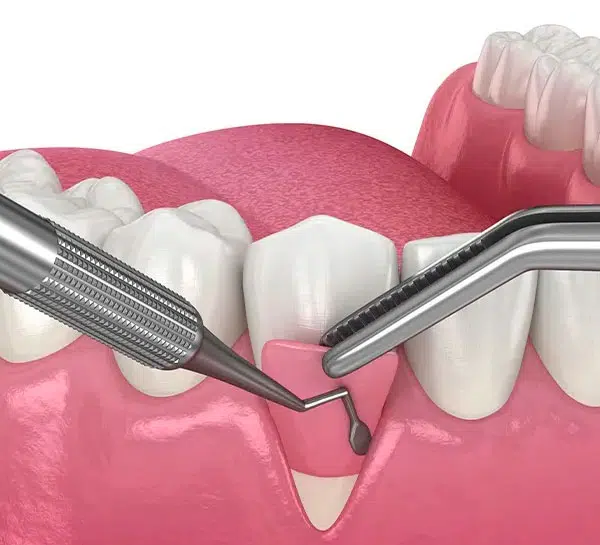
Flap surgery (also called periodontal flap surgery or pocket reduction surgery) is a gum (periodontal) surgical procedure used to treat moderate to advanced gum disease (periodontitis) when non‑surgical treatments like deep scaling and root planing aren’t enough. During the procedure, the gum tissue is incised and lifted (flapped) away from the tooth to give the dentist or periodontist direct access to the underlying tooth roots and bone.
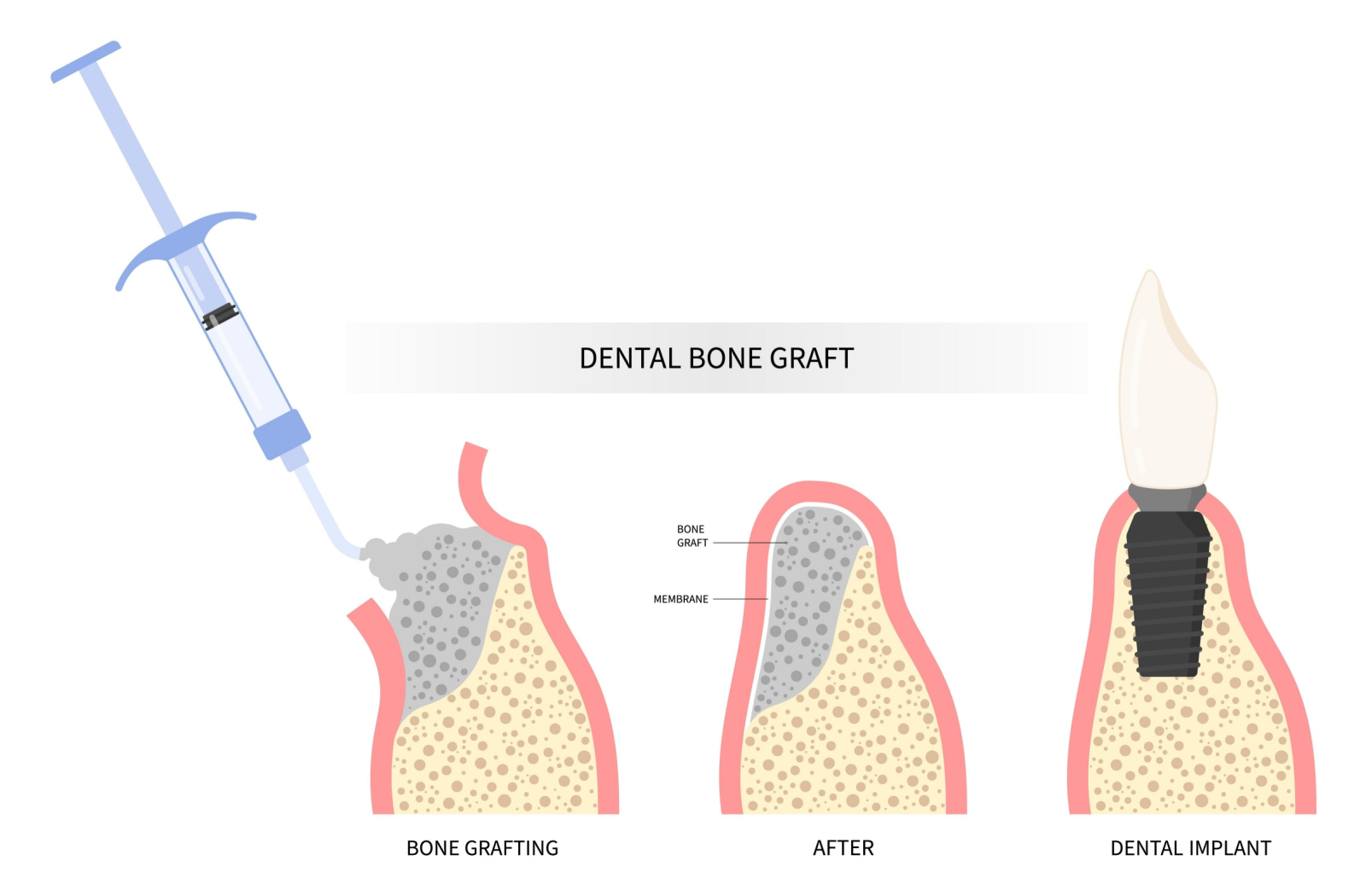
Bone graft
A dental bone graft is an oral surgical procedure used to replace or augment missing bone in the jaw. It provides a stable foundation for dental implants, supports dentures, and restores bone lost due to tooth extraction, periodontal (gum) disease, or trauma.